

Hey there! I'm a supplier of Hafnium Sheet, and today I'm super excited to chat with you about how hafnium sheets are used in the electronics industry. Hafnium, a lesser - known but incredibly useful metal, has been making waves in the world of electronics due to its unique properties.
First off, let's talk a bit about what hafnium is. It's a silvery - gray transition metal that's often found in zirconium ores. Hafnium has some really cool characteristics like high melting point, excellent corrosion resistance, and good neutron absorption capabilities. These properties make it a valuable material in various industries, especially electronics.

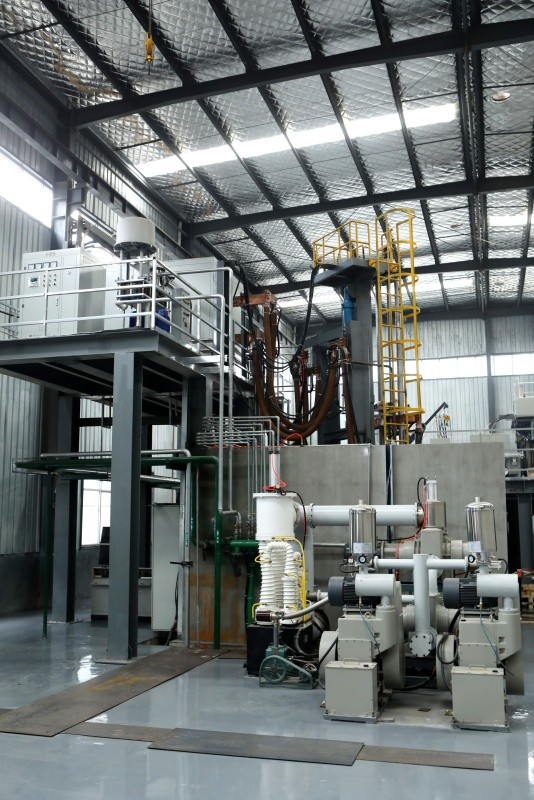
One of the most significant applications of Hafnium Sheet in the electronics industry is in the manufacturing of semiconductors. In modern semiconductor devices, the performance of transistors is crucial. Transistors are like the building blocks of electronic circuits, controlling the flow of electrical current. As the size of transistors has been shrinking over the years to increase the processing power of chips, traditional silicon - dioxide gate dielectrics have faced some limitations.
Hafnium oxide, which can be derived from hafnium sheets, has emerged as a game - changer in this regard. It has a high dielectric constant compared to silicon dioxide. A high dielectric constant means that it can store more electrical charge in a smaller volume. This property allows for the reduction of the physical thickness of the gate dielectric layer in transistors without increasing the leakage current. As a result, transistors with hafnium - based gate dielectrics can operate at lower voltages, consume less power, and have faster switching speeds. This is a huge deal for modern electronics, from smartphones to laptops and data centers, as it helps to improve energy efficiency and overall performance.
Another area where hafnium sheets come in handy is in the production of vacuum tubes. Vacuum tubes were once the mainstay of electronic devices before the advent of semiconductors. Although they are not as commonly used today, they still have their place in certain high - power and high - frequency applications, such as radio transmitters and some audio amplifiers.
Hafnium has a low work function, which means it can emit electrons relatively easily when heated. In vacuum tubes, hafnium can be used as a cathode material. The cathode is responsible for emitting electrons into the vacuum chamber, which then flow towards the anode to create an electrical current. The use of hafnium in the cathode can improve the electron emission efficiency of the vacuum tube. This leads to better performance, longer lifespan, and more stable operation of the tube, especially in high - power applications where a reliable and efficient electron source is essential.
Hafnium sheets also play a role in the manufacturing of electronic connectors. Connectors are used to join different electronic components together, ensuring a reliable electrical connection. Corrosion is a major concern for connectors, as it can lead to increased resistance and poor electrical performance over time.
Hafnium's excellent corrosion resistance makes it an ideal coating material for connectors. By applying a thin layer of hafnium or hafnium - based alloys from hafnium sheets onto the surface of connectors, the connectors can be protected from environmental factors such as moisture, oxygen, and chemicals. This helps to maintain a low - resistance electrical connection, reducing signal loss and improving the overall reliability of the electronic system.
In addition to these direct applications, hafnium can also be alloyed with other metals to create materials with enhanced properties for electronics. For example, hafnium can be alloyed with nickel to form a superalloy. These superalloys have high strength, good oxidation resistance, and excellent creep resistance at high temperatures. In electronic devices that generate a lot of heat, such as power electronics and high - performance processors, these hafnium - nickel superalloys can be used in heat sinks and other thermal management components. They can efficiently dissipate heat away from the sensitive electronic components, preventing overheating and ensuring the stable operation of the device.
Now, let's not forget about some of the related hafnium products. If you're interested in other forms of hafnium, we also offer Hafnium Powder and Hafnium Bar and Wire. Hafnium powder can be used in powder metallurgy processes to create complex - shaped components with hafnium's unique properties. Hafnium bars and wires, on the other hand, can be used for more structural applications or for further processing into other forms.
If you're in the electronics industry and looking for high - quality hafnium sheets, or any of our other hafnium products, I'd love to have a chat with you. Whether you're a small - scale electronics manufacturer or a large - scale corporation, we can provide you with the right quantity and quality of hafnium materials to meet your specific needs.
The use of hafnium sheets in the electronics industry is diverse and far - reaching. From improving the performance of transistors to enhancing the efficiency of vacuum tubes and protecting electronic connectors, hafnium is playing an increasingly important role in modern electronics. If you're involved in electronics manufacturing and are interested in exploring the potential of hafnium materials, don't hesitate to get in touch with us. We're here to help you take your electronic products to the next level.
References:
- "Handbook of Advanced Electronic and Photonic Materials and Devices", edited by H.S. Nalwa.
- Journal articles on semiconductor technology advancements related to hafnium - based materials.