

Metal Materials
Why Choose Us?
Rich Experience
KOBO is a professional Metal processing company with more than 20 years of experience. Dedicated to strict quality control and attentive customer service, our experienced staff is always available to discuss your requirements and ensure complete customer satisfaction.
Advanced Equipment
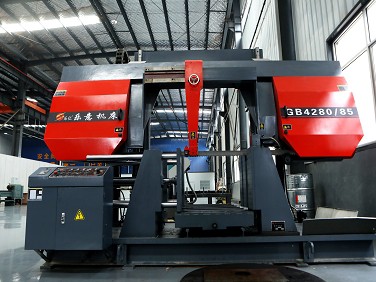
KOBO is well equipped with Hi-tech equipments. We are fully equipped to supply a full range of refractory and reactive metals (titanium, niobium, tantalum, vanadium, molybdenum, tungsten, hafnium, zirconium,nickel etc) and their alloys, with unparalleled product support and customer service.
Competitive Pricing
Years of industry insight and global supply chain knowledge, ensure you receive premium quality materials, at competitive market rates. We offer competitive pricing without compromising on quality, making our products accessible to a wide range of customers.
Sustainability
We are committed to environmental sustainability and strive to minimize our environmental impact by using eco-friendly production methods.
-
![Titanium Powder]() Titanium PowderTitanium powder is a versatile metallic material valued for its unique combination of high strength, low density, corrosion resistance, and biocompatibility. As a powder, titanium facilitates...read more
Titanium PowderTitanium powder is a versatile metallic material valued for its unique combination of high strength, low density, corrosion resistance, and biocompatibility. As a powder, titanium facilitates...read more -
![Titanium Bar and Wire]() Titanium Bar and WireMaterial:C.P.Titanium, Ti Alloysread more
Titanium Bar and WireMaterial:C.P.Titanium, Ti Alloysread more
Grade:Gr1, Gr2, Gr4, Gr5, Gr7, Gr9, Gr11, Gr12, Gr16, Gr23 etc
Standard:ASTM F67, ASTM F136, ASME SB-265, ASTMB348, AMS4928, AMS 4931B etc... -
![Titanium Tube]() Titanium TubeMaterial:C.P.Titanium, Ti Alloysread more
Titanium TubeMaterial:C.P.Titanium, Ti Alloysread more
Grade:Gr1, Gr2, Gr9
Standard:ASTM B337, ASTM SB338, ASTM B861 etc
Sizes:Customized
Density:4.5-4.51 g/cm3 -
![Titanium Sheet]() Titanium SheetMaterial:C.P.Titanium, Ti Alloysread more
Titanium SheetMaterial:C.P.Titanium, Ti Alloysread more
Grade:Gr1, Gr2, Gr4, Gr5, Gr7, Gr9, Gr11, Gr12, Gr16, Gr23 etc
Standard:ASTM B265 AMS 4911 ASTM F136 ASTM F67 etc
Sizes:Customized... -
![Titanium Machining Parts]() Titanium Machining PartsMaterial:C.P.Titanium, Ti Alloysread more
Titanium Machining PartsMaterial:C.P.Titanium, Ti Alloysread more
Grade:Gr1, Gr2, Gr4, Gr5, Gr7, Gr9, Gr11, Gr12, Gr16, Gr23 etc
Standard:ASME, DIN, ANSI, ISO
Sizes:customized
Density:4.5-4.51 g/cm3 -
![Titanium Powder]() Titanium PowderMaterial:C.P.Titanium, Ti Alloysread more
Titanium PowderMaterial:C.P.Titanium, Ti Alloysread more
Grade:Gr1, Gr2, Gr4, Gr5, Gr7, Gr9, Gr11, Gr12, Gr16, Gr23 etc
Standard:ASTM F2924, ASTM F3001, ASTM F3187, AMS 4998, AMS 4999
Sizes:0-20μm,... -
![Niobium Ingot]() Niobium IngotMaterial:Pure niobium, Nb Alloysread more
Niobium IngotMaterial:Pure niobium, Nb Alloysread more
Grade:R04200, R04210
Standard:ASTM B392
Sizes:Customized
Density:8.57 g/cm3 -
![Niobium Bar and Wire]() Niobium Bar and WireMaterial:Pure niobium, Nb Alloysread more
Niobium Bar and WireMaterial:Pure niobium, Nb Alloysread more
Grade:R04200, R04210
Standard:ASTM B392-98
Sizes:Customized
Density:8.57 g/cm3 -
![Niobium Tube]() Niobium TubeMaterial:Pure niobium, Nb Alloysread more
Niobium TubeMaterial:Pure niobium, Nb Alloysread more
Grade:R04200, R04210
Standard:ASTM B392-98
Sizes:Customized
Density:8.57 g/cm3 -
![Niobium Sheet]() Niobium SheetMaterial:Pure niobium, Nb Alloysread more
Niobium SheetMaterial:Pure niobium, Nb Alloysread more
Grade:R04200, R04210
Standard:ASTM B392
Sizes:Customized
Density:8.57 g/cm3 -
![Niobium Sputtering Target]() Niobium Sputtering TargetMaterial:Pure niobium, Nb Alloysread more
Niobium Sputtering TargetMaterial:Pure niobium, Nb Alloysread more
Grade:R04200, R04210
Standard:ASTM B392, ASTM B393
Sizes:Customized
Density:8.57 g/cm3 -
![Niobium Machining Parts]() Niobium Machining PartsMaterial:Pure niobium, Nb Alloysread more
Niobium Machining PartsMaterial:Pure niobium, Nb Alloysread more
Grade:R04200, R04210
Standard:ASTM B392, ASTM B393
Sizes:Customized/According to drawing
Density:8.57 g/cm3


Definition of Metal Materials
Metal materials are inorganic substances, usually combinations of metallic elements, such as iron, titanium, aluminum, and gold, which may also contain small amounts of non-metallic elements, such as carbon, nitrogen, and oxygen. Metals are rarely used as a pure element but are mixed with other elements to form an alloy. This is usually necessary to obtain the required properties of the material. The microstructure of the metal materials, its properties, and the processing routes used are all very strongly interrelated.
Benefits of Metal Materials
Metal materials have benefits for every aspect of a build. Highly durable, lightweight, and available in countless colors, metals give you total design flexibility to help your building stand out. Metal materials can also lengthen life of your building, regardless of if you're installing an entire metal roof or just adding details like metal soffit panels.
High strength and durability
Metal materials are known for their superior mechanical properties, including high strength, toughness, and durability. This makes them suitable for applications where parts need to withstand heavy loads or harsh environments.
Excellent heat resistance
Metal materials can withstand high temperatures without losing their mechanical properties, making them ideal for applications that involve high temperatures or heat exposure.
Wide range of material choices
There are various metal materials available for cnc machining, including aluminum, steel, stainless steel, brass, and titanium, among others. This allows for a wide range of material choices to suit different applications.
Good machinability
Metal materials are generally easy to machine and can be cut, drilled, and shaped into complex geometries with high precision, making them suitable for intricate parts and components.
The Difference Between Metal Materials and Hardware
Definition of metal materials and hardware
Metal materials refer to materials composed of metal or alloy elements, which have characteristics such as luster,conductivity, and thermal conductivity. The mining,smelting, and manufacturing processes are relatively complex,and are mainly used in fields such as mechanical manufacturing, electronics, and construction.
Hardware refers to various metal products, such as screws, nuts, handles, hinges, etc., which are usually widelused and can be applied to various fields such as home decoration and daily maintenance.
Different material compositions
Metal materials are generally composed of metal elements or metal alloy materials, such as copper,iron,aluminum, zinc, etc.Hardware, on the other hand, consists of various metal products, and different types ofhardware have different uses. For example, screws are composed of different materials, usually containing siliconsteel, carbon steel, alloy steel, etc., while handles can be made of metal materials such as aluminum alloy orstainless steel.
Different uses
Metal materials are more widely used in fields such as manufacturing, construction, and machinery. Metals play anirreplaceable role in the manufacturing of various machines and equipment, such as large steel structures, automotive components, aerospace equipment,etc. Hardware is more commonly used in daily home decorationand maintenance, such as furniture decoration, door and window installation, plumbing equipment, and otheraspects.
Different manufacturing processes
The mining, smelting, and manufacturing processes of metal materials are relatively complex, requiring high-precision production processes to produce products with high quality and long service life. Hardware, on the otherhand, can usually be manufactured with a small amount of processing, and the process is relatively simple.
However the cost-effectiveness of hardware products is superior, making them more suitable for large-scaleproduction.
What Are the Processing Techniques for Metal Materials?
Before a raw metal materials can be used for manufacture and assembly, it still needs to undergo different types of metal fabrication techniques. These processes can vary, depending on the purpose of the metal, but they can nevertheless be found in a number of structural, industrial, or decorative applications.
There exist a number of fabrication processes and are oftentimes used in combination with one another. These methods can be either one or more of the following: cutting, metal stamping, extrusion, casting, and the like. Likewise, these fabrication techniques are designed to highlight metal materials properties and showcase its versatility in application.
Cutting
Cutting is arguably one of the earliest forms of metalworking. Though the process and the concept of metal materials cutting are simple, it can also be performed alongside other complex machines.
Generally, cutting involves the following tools and materials: cutting equipment, metal specimen or workpiece, and a work desk. This process involves the removal of unnecessary pieces from the metal workpiece - be it ferrous, or non-ferrous. After removing the unwanted part, the finished workpiece can now be fitted to work with other components and systems.
Different types of metal materials can be cut, namely diamond plate, corrugated metal sheets, steel reinforcing bars, pipes, etc. Cutting these materials can be done by using power tools or even handheld blades like a hacksaw, backsaw, or a coping saw - it ultimately depends on the intentions of the cutter.
Metal Stamping
Metal stamping is distinct for metal materials like stainless steel, aluminum, copper/brass, or other galvanized alloys. This process is specific to sheet metals and may also be used in combination with the other fabrication methods to get the desired outcome.
One of the most popular uses for metal stamping can be found in automotive component manufacturing and assembly. This method is used to design vehicle components like the trunk lids, wheel hubcaps, doors, firewall, and many other vehicle-body-related parts.
Another reason that makes metal stamping ideal for automotive purposes is that it can also be used in coming up with unique, custom-built designs. Car enthusiasts can take advantage of this method to design specialty parts for high-performance vehicles.
Welding
Welding is simply the method of joining two metal materials together. While there are different types of welding techniques, they do have similar features. Like all other techniques, welding requires a metal workpiece. More than that, it also involves the use of welding equipment, shielding gas, consumable or non-consumable electrode, flux, and fillers.
Welding techniques can be classified according to their complexity. Some of the most common ones include Gas Metal Arc Welding (GMAW), stick welding, or Gas Tungsten Arc Welding. This process needs to be done in a controlled environment to make sure that the welding work is neat and free from unwanted materials that can affect the quality of the finished product.
Finished welded parts can be found in virtually any kind of metal materials that you can spot in everyday life. It's used in pipe-making, ductwork, automotive manufacturing, bike-making, steel-building, and more.
Extrusion
The extrusion process is not specific to metal materials, as it can also be used in the production of polymer and other plastic-based products. However, they do have extensive use in the process of profile making for steel or aluminum beams, or sectional components.
In the extrusion process, a solid billet of alloy/metal is passed through a tooling die that contains a distinct cross-section. This is made possible with the help of a high-powered hydraulic and high-pressure system that allows the billet to be shaped by the die. Once the extruded product is ejected, it can now be subject to further post-processing techniques to refine its appearance, eliminate defects, or make certain adjustments.
The most popular application for extrusions is aluminum extruded profiles that can be used for window frames, door frames, louvers, railings, mullions, or sections. While aluminum already has non-corrosive properties, manufacturers sometimes add another layer of powder coating to the material to make it longer-lasting and aesthetically-appealing.
Forging
Similar to cutting forging is also one of the oldest metal materials fabricating techniques. If you've encountered this type, then it's no surprise that images of a blade being hammered on a solid block of anvil might be something that's on your mind.
Despite the age of this method, forging has gone on to stand the test of time and become a reliable method of shaping metals into various sizes. Likewise, there are also different forging techniques such as cold forging, hot forging, or open die forging. While there may be differences across each method, one similarity is the use of compression forces that shape, bend, or press the metal in the desired form.
Titanium
Titanium is a strong, lightweight metal with a silvery-white color. It is corrosion resistant and has a high melting point. The main characteristics of titanium are low density, high mechanical strength and easy processing. Titanium is often used in aircraft and spacecraft because of these properties. Titanium has metallic luster and is malleable.
Niobium
Niobium a material for innovations, a lustrous light gray ductile metallic element that resembles tantalum chemically and is used in alloys. Niobium is ductile and occurs with tantalum in a natural ore. Niobium has a gleaming white appearance on polished surfaces. It is characterized by a high melting point of 2,477°C and a density of 8.58g/cm³.
Tantalum
Tantalum is a rare, hard, blue-gray, lustrous transition metal that is highly corrosion-resistant. Tantalum is found in minerals such as tantalite, columbite, and microlite. It is mostly used in electronic applications such as capacitors and smartphones. Tantalum has a relatively high melting point of about 3,017 degrees Celsius (5,463 degrees Fahrenheit), making it suitable for high-temperature applications. It is a dense metal, with a density of approximately 16.69 grams per cubic centimetre. Tantalum has a shiny, silvery appearance when freshly polished, but it can develop a patina over time.
Hafnium
A lustrous, silvery gray, tetravalent transition metal, hafnium chemically resembles zirconium and is found in many zirconium minerals. Hafnium is used in filaments and electrodes. Some semiconductor fabrication processes use its oxide for integrated circuits at 45 nanometers and smaller feature lengths. Some superalloys used for special applications contain hafnium in combination with niobium, titanium, or tungsten. Hafnium's large neutron capture cross section makes it a good material for neutron absorption in control rods in nuclear power plants, but at the same time requires that it be removed from the neutron-transparent corrosion-resistant zirconium alloys used in nuclear reactors.
Vanadium
Vanadium is a grey, soft, and ductile high-value metal with several unique characteristics that position it strongly in the steel, alloys, and chemical sectors. The metal also acts as a battery material that is 100% reusable. More than 85% of vanadium is recovered from magnetite and titano-magnetite ores, either as the primary product or more commonly as a co-product with iron processed for steel production. It can also be recovered as a secondary product from fly ash, petroleum residues, alumina slag, and from the recycling of spent catalysts used in some crude oil refining.
Zirconium
Zirconium (Zr) is a chemical element with the atomic number 40 and is represented by the chemical symbol 'Zr' in the periodic table. Zirconium, a steel-gray hard ductile metallic element with a high melting point that occurs widely in combined form (as in zircon), is highly resistant to corrosion, and is used especially in alloys and in refractories and ceramics.
Nickel
Nickel is a silvery-white, lustrous metal with a slight golden tinge. Nickel belongs to the transition metals and is hard and ductile. Nickel is an important material in industry and daily life. It has good corrosion resistance, heat resistance, and low thermal expansion. Nickel is widely used in many fields, such as electronics, batteries, alloys, catalysts, and so on.
Different Uses of Metal Materials
Metal materials are usually very strong, most durable and highly resistant to everyday wear and tear. As such, they have been used since ancient times for a lot of things. And even today with advances in technology and a lot of other things the uses of metals have broadened greatly. Metal materials even play a key role in the economy.
In the construction industry
Metal materials are the main component in the construction industry. Metals like iron, steel amongst others are the main materials used in the construction of buildings and even homes.
In electronics
Another important application of metal materials are in electronics. As metals are good conductors of electricity, they are used to make wires and parts for equipments and gadgets that function on electrical current. Popular examples include tv, mobiles, fridge, iron, computers etc.
In medicine
If you are wondering how, well from a biological perspective metals are found as micro-elements in our bodies. Besides, the presence of metal elements is crucial for several functions like transmission of nerve impulses, oxygen flow, reaction between enzymes etc. Some medicines are therefore liaised with metal compounds to treat certain deficiencies or sickness. Metals like iron, calcium, magnesium, potassium, titanium and aluminium are used commonly in medicine in the form of antacids.
Apart from this, most of the equipments and tools used are made from metal materials.
Machinery, refractory and automobiles
This is one of the most common use of metal materials. They are used extensively in manufacturing machines for industries, agriculture or farming and automobiles which include road vehicles, railways, aeroplanes, rockets etc. Here, the commonly used metals are iron, aluminium and steel.
Besides these, most of the utensils that are used in the kitchen are made from metals like steel, aluminium, and copper. Due to a high temperature withstanding nature metals are preferred the most.
Decorative products
Metal materials such as platinum, gold, silver, titanium and zirconium come under the category of precious metals and have high economical value. These metal materials are widely used in making jewellery sets or for some decorative pieces.
Other uses of metals
Some other uses and applications of metal materials are, that they play an important role in security as the metals are used in making locks, strong safe, doors etc. Apart from this, furnitures are made from metal these days. Metal materials also find their uses in the military, where they are used for manufacturing weapons and ammunitions. Some metals are used in galvanising to protect from rusting.
The Considerations for Buying Metal Materials
Metal is an ideal material for a wide range of building applications, including deep drawn metal stamping, but choosing the appropriate metal materials for each situation is essential to ensure proper functionality. The decision is not always easy, though, given the incredible array of metal and alloy options available today. The best way to navigate the metal materials selection process is to carefully consider the needs of your project and compare these against the properties of each candidate metal. Some key properties to consider include the following:
Tensile strength
A metal's tensile strength represents the amount of force that it can withstand without snapping. This is an important factor, especially for projects that will experience significant forces.
Weldability
Some metals are easier to weld than others. If you choose metal materials that isn't easily welded, the manufacturing process will require additional time and expertise, which may impact your timeline and budget.
Machinability
Machinability describes the ease with which a metal can be cut with a blade. A less machinable metal materials may require the use of specialty tools, which can again impact your expense and lead time.
Ductility and formability
Additional factors that affect the metalwork process specifically include ductility and formability. These traits determine what shapes a metal can take on. A metal with lower ductility cannot easily be shaped into a wire, and a less formable metal materialscan't be bent without snapping.
Our Factory
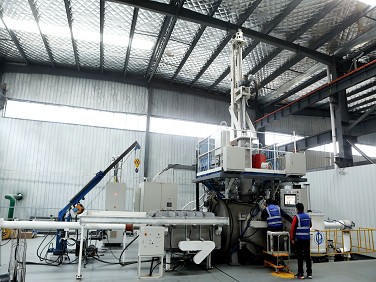
KOBO is well equipped with Hi-tech equipments, among them one is VAR(Vacuum Arc Remelt) melting furnace, a standard in industry, can allow multiple melting, it is economical to produce titanium which is for Industrial, Medical, Racing and Aerospace applications.
Another is EB( Electron Beam) melting furnace,Electron beam melting is distinguished by its superior refining capacity. Thus it is ideal for remelting and refining of metals and alloys under high vacuum in water cooled, ceramic free copper molds. It also plays an important role in manufacturing of high-pure sputtering target materials and alloys for the electronic industry.
We are fully equipped to supply a full range of refractory and reactive metals (titanium, niobium, tantalum, vanadium, molybdenum, tungsten, hafnium, zirconium,nickel etc) and their alloys. Our goal is to be a global metal resource solver.
Advanced Equipment


Our Certificate


Ultimate FAQ Guide to Metal Materials
As one of the leading metal materials suppliers in China, we warmly welcome you to buy high-grade metal materials in stock here from our factory. All our products are with high quality and low price. Contact us for quotation.