


Material:Pure Zirconium, Zr Alloys
Color:Silver
Standard:ASTM B551
Sizes:Diameter customized
Density:6.1g/cm3
Zirconium
Why Choose Us?
Rich Experience
KOBO is a professional Metal processing company with more than 20 years of experience. Dedicated to strict quality control and attentive customer service, our experienced staff is always available to discuss your requirements and ensure complete customer satisfaction.
Advanced Equipment
KOBO is well equipped with Hi-tech equipments. We are fully equipped to supply a full range of refractory and reactive metals (titanium, niobium, tantalum, vanadium, molybdenum, tungsten, hafnium, zirconium,nickel etc) and their alloys, with unparalleled product support and customer service.
Competitive Pricing
Years of industry insight and global supply chain knowledge, ensure you receive premium quality materials, at competitive market rates. We offer competitive pricing without compromising on quality, making our products accessible to a wide range of customers.
Sustainability
We are committed to environmental sustainability and strive to minimize our environmental impact by using eco-friendly production methods.
-
![Zirconium Bar and Wire]()
-
![Zirconium Tube]() Zirconium TubeMaterial:Pure Zirconium, Zr Alloysread more
Zirconium TubeMaterial:Pure Zirconium, Zr Alloysread more
Grade:R60702 R60704 R60705 and other Zr alloy
Standard:ASTM B551
Sizes:Diameter customized
Density:6.1~6.5 g/cm3 -
![Zirconium Sheet]() Zirconium SheetMaterial:Pure Zirconium, Zr Alloysread more
Zirconium SheetMaterial:Pure Zirconium, Zr Alloysread more
Color:Silver
Standard:ASTM B551
Sizes:Diameter customized
Density:6.1g/cm3 -
![Zirconium Sputtering Target]() Zirconium Sputtering TargetMaterial:Pure Zirconium, Zr Alloysread more
Zirconium Sputtering TargetMaterial:Pure Zirconium, Zr Alloysread more
Color:Silver
Standard:ASTM B551
Sizes:Customized/According to drawing
Density:6.1g/cm3 -
![Zirconium Machining Parts]() Zirconium Machining PartsMaterial:Pure Zirconium, Zr Alloysread more
Zirconium Machining PartsMaterial:Pure Zirconium, Zr Alloysread more
Color:Silver
Standard:ASTM B551
Sizes:Customized/According to drawing
Density:6.1g/cm3


Definition of Zirconium
Zirconium (Zr) is a chemical element with the atomic number 40 and is represented by the chemical symbol ‘Zr’ in the periodic table. Zirconium, a steel-gray hard ductile metallic element with a high melting point that occurs widely in combined form (as in zircon), is highly resistant to corrosion, and is used especially in alloys and in refractories and ceramics.
Benefits of Zirconium
01/
High strength-to-weight ratio
Zirconium alloys offer a remarkable strength-to-weight ratio, which is advantageous in numerous applications. This property allows for the creation of lightweight structures that can withstand heavy loads, leading to improved efficiency and performance.
02/
Excellent corrosion resistance
Zirconium alloys exhibit exceptional resistance to corrosion, even in highly aggressive environments. This makes them ideal for applications where corrosion is a significant concern, such as chemical processing plants, nuclear reactors, and marine equipment. The corrosion resistance of zirconium alloys helps ensure the longevity and reliability of these structures.
03/
Low thermal neutron absorption
Zirconium has a low thermal neutron absorption cross-section, making it an ideal material for nuclear reactors. By utilizing zirconium alloys as fuel cladding or structural materials, reactors can efficiently control the nuclear fission process while minimizing neutron losses. This property also contributes to the overall safety and efficiency of nuclear power plants.
04/
Biocompatibility
Zirconium alloys are biocompatible, meaning they do not cause harmful reactions when in contact with living tissues. This property makes them suitable for medical applications such as dental implants, artificial joints, and surgical instruments. The biocompatibility of zirconium alloys enhances patient safety and improves the success rate of medical procedures.
05/
High-temperature stability
Zirconium alloys can withstand high temperatures without significant deformation or degradation. This property makes them ideal for applications in aerospace, gas turbines, and other high-temperature environments. The high-temperature stability of zirconium alloys allows for continuous operation under extreme conditions, ensuring the safety and reliability of various systems.
06/
Good machinability and formability
Zirconium alloys can be easily machined and formed into complex shapes, facilitating their use in various manufacturing processes. This property enables the production of intricate components with precise specifications, enhancing the functionality and overall quality of the end products.
Products Description
|
Group |
4 |
Melting point |
1854°C, 3369°F, 2127 K |
|
Period |
5 |
Boiling point |
4406°C, 7963°F, 4679 K |
|
Block |
d |
Density (g cm−3) |
6.52 |
|
Atomic number |
40 |
Relative atomic mass |
91.224 |
|
State at 20°C |
Solid |
Key isotopes |
90Zr, 92Zr, 94Zr |
|
Electron configuration |
[Kr]4d2 5s2 |
CAS number |
7440-67-7 |
|
ChemSpider ID |
22431 |
ChemSpider is a free chemical structure database |
|
Process Characteristics of Zirconium Tube
Zirconium tube has strong affinity with gas. It reacts with oxygen, hydrogen and nitrogen at about 200, 300 and 400 ℃ respectively. It reacts rapidly at higher temperature. Therefore, melting and casting and heat treatment should be carried out in vacuum furnace. When hot working in the atmosphere, proper protective measures shall be taken and the operation time at high temperature shall be shortened.
Zirconium tube has a high friction coefficient with the die and is easy to adhere to the die surface; the thermal effect of plastic deformation is significant, and good lubrication conditions are required during processing.
Processing specifications have a sensitive impact on the service performance of products. Special attention shall be paid to the control of cold working and heat treatment processes before finished products to meet the use requirements.
The dimensional accuracy and surface quality of zirconium tube are very high. Therefore, the process equipment should have good accuracy, and the design and manufacture of tools and dies should be advanced and reasonable.

Applications of Zirconium Tubes
Nuclear applications
The best use of zirconium alloys tubes is for structural material for nuclear reactors due to the low thermal neutron absorption. Because zirconium has a lower absorption of neutrons than most metals it is the material of choice to improve reactor efficiency. However, in this application the low hafnium grade should be used for reactors. The alloys most used are: Zr-702 and zr-704, having excellent corrosion resistance to high steam temperatures and good yield stress.
Chemical processes
Used for structural material in the chemical processing industry including excellent corrosion resistance in most organic and inorganic acids, chloride solutions and alkaline mediums.In certain applications it can extend its life beyond the rest of the plant's life.Therefore, maintenance costs are low, and downtime is minimized. It is non-toxic and biocompatible. Used in heat exchangers, evaporators, tanks, packaging, reactors, pumps, valves and pipe.
Heat exchangers, coolers and condensers
Zirconium and zirconium alloy tube are increasingly used due to its cost effectiveness over other materials thanks to its longer life, low maintenance and downtime, and improved process efficiency. Due to its excellent heat transfer properties and durability zirconium is replacing many graphite heat exchangers.Since zirconium alloys have an inherent corrosion resistance due to its inert oxide layer it can be used to great advantage in condensers.
Piping
Used in urea, acetic acid, formic, nitric, and methyl methacrylate production systems.
What Are the Uses of Zirconium Alloys?
Zirconium alloys are widely used for fuel cladding and in pressure tubes, fuel channels (boxes), and fuel spacer grids in almost all water-cooled reactors: light water reactors such as the pressurized water reactor (PWR) and the boiling water reactor (BWR) as well as the Canadian designed Canadian Deuterium Uranium (CANDU) heavy water reactor. Since its employment in the first commercial nuclear power plant in the 1960s, Zirconium alloy, has shown satisfactory behavior during many decades. However, degradation due to waterside corrosion can limit the in-reactor design life of the nuclear fuel. The critical phenomenon is the hydrogen ingress into the cladding during corrosion, which can cause cladding embrittlement. As utilities are striving to achieve higher fuel burnups, the nuclear industry has made several efforts to understand the mechanisms of corrosion and to mitigate its effects.
In striving for increased burnup of the nuclear fuel from 33 000 to 50 000 MWd/tHM and beyond in PWRs, associated studies have shown that the corrosion of the Zirconiumcladding accelerates under these higher burnup conditions. Although alloys that are more modern have not yet shown evidence of this high-burnup acceleration, this is a potential concern. Also, the efforts to increase the thermal-cycle efficiency in PWRs by operating at higher temperatures (power uprates), combined with the more aggressive chemistry (introduction of B and Li for example) related to the use of high-burnup fuel, have resulted in increased fuel duty,1 and in increased corrosion rates. This has led to the introduction of cladding tubes of new zirconium alloys such as zirconium–niobium, which are much more corrosion resistant. With the introduction of these materials, the nuclear industry aims at zero tolerance for fuel failure in the future.
What Happens When Zirconium Is Heated?
Zirconium forms a visible oxide film in air at about 200 °C. The oxidation rate becomes high enough to produce a loose, white scale on zirconium at temperatures above 540 °C. At temperatures above 700 °C, zirconium can absorb oxygen and become embrittled after prolonged exposure.
Zirconium reacts more slowly with nitrogen than with oxygen since it has a higher affinity for oxygen than for nitrogen. Also, a layer of oxide film normally protects zirconium from reacting with nitrogen. However, once nitrogen penetrates through the oxide layer, it diffuses into the metal faster than oxygen. Clean zirconium starts the nitriding reaction in ultrapure nitrogen at about 900 °C. Temperatures of 1300 °C are needed to fully nitride zirconium. The nitriding rate can be enhanced by the presence of oxygen in the nitrogen or on the metal surface.
The oxide film on zirconium provides an effective barrier to hydrogen absorption up to 760 °C, provided that small amounts of oxygen are also present in hydrogen for healing damaged spots in the oxide film. In an all-hydrogen atmosphere, hydrogen absorption will begin at a much lower temperature, that is, 310 °C. Zirconium will ultimately become embrittled by forming zirconium hydrides. Hydrogen can be removed from zirconium by prolonged vacuum annealing at temperatures above 760 °C.
The corrosion and oxidation of zirconium and its alloys in steam are of special interest to nuclear power applications. The alloys can be exposed for prolonged period without pronounced attack at temperatures up to 425 °C. In the 360 °C steam, up to 350 ppm chloride and iodide ions, 100 ppm fluoride ions, and 10 000 ppm sulfate ions are acceptable for zirconium in general applications but not in nuclear power applications.
Zirconium is stable in ammonia up to about 1000 °C, in most gases (carbon monoxide, carbon dioxide, and sulfur dioxide) up to about 300–400 °C, and in dry halogens up to about 200 °C. At elevated temperatures, zirconium forms volatile halides. The corrosion resistance of zirconium in wet chlorine depends on surface condition. Zirconium is susceptible to pitting in wet chlorine unless it has been properly cleaned.

Five Interesting Facts to Know About Zirconium
Zirconium, the metal extracted from the mineral, zircon, may not be well-known, but its remarkable properties make it indispensable in nuclear power, the chemical industry, medicine and more. Since ancient times, zircon - a word believed to have originated from the Persian zargun, meaning gold-like - has been used in jewellery and decorations.
Zirconium is a shiny silver-grey metal
It is highly ductile and extremely resistant to corrosion and heat. Its symbol in the periodic table is Zr, and its atomic number is 40. It melts at 1855 degrees Celsius (°C) and boils at 4409 °C, and it is not corroded by acids, alkalis or seawater.
The mineral zircon is relatively widespread on the Earth's surface
Zirconium is primarily extracted from the mineral zircon which is often found in the sands of coastal waters. The mineral is not contained in concentrated deposits, but rather broadly dispersed inside the ground. Today, the major producers of zirconium include Australia, China, Indonesia, South Africa and Ukraine. Beyond Earth, the element has been identified in the stars, including the Sun, and in lunar rocks.
Zirconium was discovered in 1789
Zirconium was identified by German chemist Martin Klaproth in a zircon stone brought from Sri Lanka. Pure zirconium — metal not mixed or alloyed with other elements — was first produced in 1925. But it was not widely used in industry until the end of the 1940s when it became an important engineering material used in producing nuclear energy.
Zirconium is mainly used in nuclear power
Zirconium is indispensable in the production of nuclear energy, particularly as a cladding for long cylindrical fuel rods inside nuclear reactors. There are several reasons why zirconium is an optimal material to surround uranium pellets: the metal is exceptionally resistant to corrosion and high temperatures, and it absorbs very few of the neutrons produced by a nuclear fission reaction. The latter is essential for the chain reaction to run effectively inside the reactor's core and to sustain the production of energy.
By cladding uranium fuel, zirconium also helps protect the coolant, typically water flowing through the reactor core, from contamination. It is estimated that up to 90 per cent of zirconium produced in the world is used for nuclear power.
While most zirconium is used in the nuclear field, it is not limited to that
Being tremendously resistant to corrosion by many acids and alkalis, it is broadly employed in the chemical industry. Zirconium compounds are used in ceramics, abrasives, lamp filaments, jet engines and space shuttle parts. In the medical field, zirconium dioxide, also known as zirconia, is applied as a material for dental and surgical implants due to its biocompatibility and durability. Zirconia is also used as a gemstone — cubic zirconia — a synthesized material that can be a substitute for diamonds and other precious stones.
Zirconium Products and Their Applications
Zirconium silicate
Zirconium silicate is an important kind of traditional zirconium product. Products can be prepared with zircon sand as raw material, after grinding, calcination, powder, is a kind of high quality and inexpensive ceramic glaze opacifying agent, mainly used in ceramics and porcelain, building ceramics color glaze production, has been widely used in high-grade refractory materials, precision casting, emulsified glass, and other industries.
Zirconium carbonate
Mainly used as cosmetic additives and waterproof agent, flame retardant, sunscreen, fiber, and paper surface additives, and can be used for preparing zirconium cerium catalytic composite material, is an important raw material for textile, papermaking, paint, cosmetics industry, the amount of growth in recent years.
Zirconium oxychloride
It can be used other zirconium products such as two - zirconium oxide, zirconium carbonate, zirconium sulfate, zirconium oxide, zirconium and hafnium compound preparation and separation of zirconium and hafnium metal material, can also be used for textile, leather, rubber additives, metal surface treatment agent, coating driers, refractories, ceramics, catalyst, fire retardant, and other products.
Fused zirconia
Fused zirconia, mainly used in the production of glazes and refractories. Due to the high content of impurities in the fused zirconia, the use is limited.
Zirconium sulfate
It is an important raw material in the production of leather tanning agent, wool processing agent, and paint surface oxidation agent, can be used as a catalyst carrier, amino acid, and protein, precipitant, and deodorant, intermediate raw materials are for zirconium chemicals and metal zirconium and hafnium.
Two zirconium oxide
The white solid, non-toxic, tasteless, has enough stability of alkali solution and many acidic solutions, suitable for precision ceramics, electronic ceramics, optical lenses, glass additives, dissolving zirconia brick, ceramic pigment, glaze, artificial stone, refractory materials, grinding, and polishing industry and products.
Composite zirconia
It is also known as semi-stable, stable zirconia is white powder non-toxic, tasteless, stable chemical properties, the specific surface area is controllable, manufacturing all kinds of special ceramics, advanced refractories, new energy materials, optical communication devices, based on raw materials.
Zirconia structural ceramics
Using the composite zirconium oxide as the raw material, including two kinds of products such as zirconia grinding and zirconia structure, the structure of zirconia mainly includes the zirconia special ceramic valves, fiber optic connectors, ceramic knives, watches accessories, ceramic scissors, textile porcelain, etc.
Nuclear grade zirconium
It is an important strategic metal used primarily for nuclear-powered aircraft carriers, nuclear submarines, and civilian power reactors, as well as the cladding of uranium fuel elements.
Industrial grade zirconium
It is mainly used for the production of industrial-grade zirconium - chemical corrosion resistance equipment, military industry, electronic industry, pipeline valve materials, special high strength and high-temperature alloy materials, electric vacuum, and lighting industry getter.
Firearm zirconium
It is also used in the combustion of the flame zirconium sponge, and also can be used in alloy additives and metallurgical deoxidizer, chemical industry, civil flash fireworks, and so on.
Our Factory
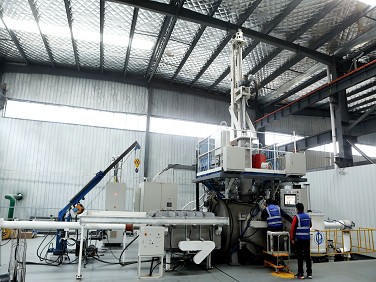
KOBO is well equipped with Hi-tech equipments, among them one is VAR(Vacuum Arc Remelt) melting furnace, a standard in industry, can allow multiple melting, it is economical to produce titanium which is for Industrial, Medical, Racing and Aerospace applications.
Another is EB( Electron Beam) melting furnace,Electron beam melting is distinguished by its superior refining capacity. Thus it is ideal for remelting and refining of metals and alloys under high vacuum in water cooled, ceramic free copper molds. It also plays an important role in manufacturing of high-pure sputtering target materials and alloys for the electronic industry.
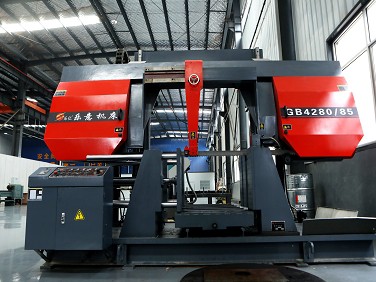
We are fully equipped to supply a full range of refractory and reactive metals (titanium, niobium, tantalum, vanadium, molybdenum, tungsten, hafnium, zirconium,nickel etc) and their alloys. Our goal is to be a global metal resource solver.
Advanced Equipment


Our Certificate


Ultimate FAQ Guide to Zirconium
As one of the leading zirconium suppliers in China, we warmly welcome you to buy high-grade zirconium in stock here from our factory. All our products are with high quality and low price. Contact us for quotation.
Zirconium Sheets, High quality Zirconium Rods, Zirconium