

Titanium
Why Choose Us?
Rich Experience
KOBO is a professional Metal processing company with more than 20 years of experience. Dedicated to strict quality control and attentive customer service, our experienced staff is always available to discuss your requirements and ensure complete customer satisfaction.
Advanced Equipment
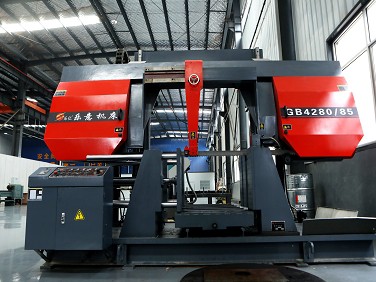
KOBO is well equipped with Hi-tech equipments. We are fully equipped to supply a full range of refractory and reactive metals (titanium, niobium, tantalum, vanadium, molybdenum, tungsten, hafnium, zirconium,nickel etc) and their alloys, with unparalleled product support and customer service.
Competitive Pricing
Years of industry insight and global supply chain knowledge, ensure you receive premium quality materials, at competitive market rates. We offer competitive pricing without compromising on quality, making our products accessible to a wide range of customers.
Sustainability
We are committed to environmental sustainability and strive to minimize our environmental impact by using eco-friendly production methods.
-
![Titanium Powder]() Titanium PowderTitanium powder is a versatile metallic material valued for its unique combination of high strength, low density, corrosion resistance, and biocompatibility. As a powder, titanium facilitates...read more
Titanium PowderTitanium powder is a versatile metallic material valued for its unique combination of high strength, low density, corrosion resistance, and biocompatibility. As a powder, titanium facilitates...read more -
![Titanium Bar and Wire]() Titanium Bar and WireMaterial:C.P.Titanium, Ti Alloysread more
Titanium Bar and WireMaterial:C.P.Titanium, Ti Alloysread more
Grade:Gr1, Gr2, Gr4, Gr5, Gr7, Gr9, Gr11, Gr12, Gr16, Gr23 etc
Standard:ASTM F67, ASTM F136, ASME SB-265, ASTMB348, AMS4928, AMS 4931B etc... -
![Titanium Tube]() Titanium TubeMaterial:C.P.Titanium, Ti Alloysread more
Titanium TubeMaterial:C.P.Titanium, Ti Alloysread more
Grade:Gr1, Gr2, Gr9
Standard:ASTM B337, ASTM SB338, ASTM B861 etc
Sizes:Customized
Density:4.5-4.51 g/cm3 -
![Titanium Sheet]() Titanium SheetMaterial:C.P.Titanium, Ti Alloysread more
Titanium SheetMaterial:C.P.Titanium, Ti Alloysread more
Grade:Gr1, Gr2, Gr4, Gr5, Gr7, Gr9, Gr11, Gr12, Gr16, Gr23 etc
Standard:ASTM B265 AMS 4911 ASTM F136 ASTM F67 etc
Sizes:Customized... -
![Titanium Machining Parts]() Titanium Machining PartsMaterial:C.P.Titanium, Ti Alloysread more
Titanium Machining PartsMaterial:C.P.Titanium, Ti Alloysread more
Grade:Gr1, Gr2, Gr4, Gr5, Gr7, Gr9, Gr11, Gr12, Gr16, Gr23 etc
Standard:ASME, DIN, ANSI, ISO
Sizes:customized
Density:4.5-4.51 g/cm3 -
![Titanium Powder]() Titanium PowderMaterial:C.P.Titanium, Ti Alloysread more
Titanium PowderMaterial:C.P.Titanium, Ti Alloysread more
Grade:Gr1, Gr2, Gr4, Gr5, Gr7, Gr9, Gr11, Gr12, Gr16, Gr23 etc
Standard:ASTM F2924, ASTM F3001, ASTM F3187, AMS 4998, AMS 4999
Sizes:0-20μm,...


Definition of Titanium
For a very long period of time, oxidized titanium was used as white pigment for various applications. Titanium started to be utilized as a metal after the Second World War, and has built up a reputation of being lightweight, strong and corrosion-resistant. In comparison, titanium only weighs 2/3rds of a equal unit of steel, with similar strengths and also being corrosion-resistant. Due to these characteristics, titanium has begun to be utilized quite frequently in the aeronautics industry, and in the construction of orbital satellites. And in recent times, titanium has also been accepted as being biocompatible; as in non-toxic to the body, and has begun to be utilized in the healthcare field and jewelry industry as well. Titanium is definitely a material which is being utilized and observed from many fields and industries in the world today.
Benefits of Titanium
Named after the titans in greek mythology, titanium is a lustrous metal with the atomic number 22. It's used in the manufacturing industry to make everything from motorcycle and space shuttle components to fasteners, jewelry and internal prosthetics. Titanium may come with a higher price tag than other metals, including iron alloys, but it offers some key advantages for manufacturing companies.
High melting point
All metals have a melting point - and titanium is no exception. Titanium, however, has a higher melting point than many other metals, including iron, aluminum, tin and copper. It takes temperatures in excess of 3,304 degrees fahrenheit to melt titanium. With such
High strength and low density
Titanium has the highest strength-to-density ratio of all metals on the periodic table; its strength-to-density ratio is even higher than that of steel's. Titanium isn't necessarily stronger than steel. They are both offer relatively the same amount of strength. Titanium, however, is about half as dense as its steel counterpart. Titanium's high strength-to-density ratio makes it particularly effective for use in the aerospace manufacturing industry.
Corrosion resistance
Another key advantage of titanium in the manufacturing industry is corrosion resistance. Many metals and alloys rust when exposed to oxygen. Oxygen in the air or water causes them to oxidize. As oxidation occurs, a layer of rust will begin to form. Titanium, on the other hand, has a natural defense mechanism that protects it from rust. When exposed to oxygen, titanium will develop a layer of titanium dioxide. This layer, while invisible, shields the underlying titanium from oxygen that would otherwise contribute to rust and corrosion.
Lightweight
Titanium weighs less than most other metals and alloys. When compared to steel, titanium weighs about half as much. This is another reason why aerospace manufacturing companies use it. You'll often find fuselages made of titanium. Titanium is just as strong as steel, but it only weighs about half as much. Therefore, it allows for the construction of strong and lightweight fuselages for airplanes.
Recyclable
Titanium is recyclable, thus allowing manufacturing companies to minimize waste. It can be melted down and reused in future applications. Furthermore, since it doesn't suffer from corrosion, titanium doesn't deteriorate. Products made of titanium will maintain their structure so that they can be recycled many years down the road. In this regard, titanium is 100% recyclable.
Top 7 uses of titanium
In recent years, the popularity of titanium has increased significantly, this is because of the metal's resistance to corrosion. Its high strength to low-density ratio is yet another reason why it's so popular. When compared to other metals like steel, titanium is 30% stronger but 50% lighter making it much easier to work with. Titanium is a metal that is used in abundance by various industries. Designed to be strong and lightweight, titanium can be used for countless applications when it's alloyed with other metals like iron and aluminium.
Aerospace
Whether it's to manufacture boats, aircraft or cars, the titanium sheet is an ideal choice to make. Titanium is typically used to create aeroplane wings, blades, air frames and turbine discs. Titanium is often found in the structure of an aircraft but can also be used for space travel. One of the main reasons why the titanium sheet is used by the aerospace industry is for its ability to survive at high temperatures and pressures.
Marine
The titanium sheet can also be used by the marine industry. The properties of titanium make it perfect for manufacturing ships, submarines and other watercraft. These all need to be made from a protective, agile material that's reliable, hence why titanium is often so desirable! As well as this, titanium can be used at military vessels to boost efficiency.
Chemical processing
The titanium wire is ideal for chemical processing because it offers resistance to fatigue and cracking.
Vaping
Believe it or not, titanium wire is used to provide a clean vape! It's suited towards advanced vapers who are looking to improve their vaping experience.
Human body
Did you know that the titanium plate is suitable for all kinds of applications- including the human body? As a biocompatible metal, titanium is handled in large doses but provides minimal impact on the human body. Although it's ingested daily, it's not always absorbed. The medical industry uses the titanium sheet for the human body because it presents a similar density to bone. You have probably heard that titanium is a metal that can be used for joint replacements, whether it be a hip replacement or a knee replacement. However, the titanium sheet is not only used for surgical implants but dental implants too! The titanium sheet is used by the medical industry because of its high strength to low weight ratio.
Sporting equipment
A titanium plate can also be used for sporting equipment. An example of how the titanium plate can be used for equipment includes golf club heads/drivers. The lightweight structure of the plate allows golfers (of all abilities) to hit the ball with ease, enhancing their overall performance. What's more; the titanium plate comes in useful for safety equipment too. As a hardwearing metal, the titanium withstands various impacts and is designed to last, allowing you to sustain the quality of your equipment for longer.
Everyday use
The titanium plate is one of the most versatile metals on today's market. The pigment of the metal can be used to enhance the brightness of products, making them more visually enhancing. They also boost the opacity of inks, paints, plastics and papers. Other general applications where the titanium plate can be used include food products and cosmetics.

Titanium's mechanical and chemical properties make it an ideal metal for power plant condenser pipes and nuclear waste storage.
Titanium allows power plant condenser pipes to be strong, lightweight, corrosion resistant, and thinner. This all adds up to pipes that easier to maintain, more efficient, and last longer than pipes made from other metals. Other metals and materials typically last 20 years, while titanium pipes have an average lifespan closer to 40 years.
Many of the properties that make titanium ideal for power plant condenser pipes also make it an ideal metal nuclear waste storage containers. The most important property for a nuclear waste storage container material is low reactivity with other substances or, in other words, high corrosion resistance. This means that the material cannot be easily broken down, which is vital to storing nuclear waste and preventing leaks. Titanium can also be used to design nuclear reactor shields. Shields go around the reactors and help to increase the lifespan of the reactor as well as the safety of the operation.
Titanium is a prevalent metal due to its strength, lightweight, and resistance to corrosion. While it has many desirable properties, one question that often arises is whether or not titanium is magnetic. The short answer is no, titanium is not magnetic. This is because titanium has a crystalline structure with no unpaired electrons, which are required for a material to exhibit magnetic properties. This means that titanium does not interact with magnetic fields and is considered to be a diamagnetic material.
In comparison, other metals such as iron, cobalt, and nickel are magnetic because they have unpaired electrons, which allow them to be attracted to magnetic fields. When these metals are subjected to a magnetic field, they become magnetized and will remain so until the magnetic field is removed. It's important to note that the non-magnetic properties of titanium can be affected by the presence of impurities, such as iron. If a titanium alloy contains a significant amount of iron, it may exhibit some magnetic properties. However, pure titanium does not have any magnetic properties. The non-magnetic properties of titanium make it an ideal metal for use in a variety of applications, including medical devices, aerospace, and chemical processing. In these applications, titanium is often chosen because it will not interfere with magnetic fields, making it a safe and reliable choice.
In conclusion, titanium is a non-magnetic metal due to its crystalline structure and the absence of unpaired electrons. While titanium alloys may exhibit some magnetic properties if they contain significant amounts of iron, pure titanium is non-magnetic and can be used in a variety of applications where it will not interfere with magnetic fields.
Titanium Properties
Colour and physical properties
Pure titanium's colour is metallic white with a gentle lustre. It is situated in the forth group of the periodic table and has the highest strength to weight ratio of any element. Its specific strength is 288 kNm/kg. Its density, 4.5g/cm3 is considerably less than steel's which is 7.8 g/cm3. It is these properties which explain why titanium's has been responsible for vast improvements in the thrust to weight ratio of jet engines.
Mechanical properties
Titanium has excellent ductility and tensile strength. It's minimum yield strength is between 240 and 241 MPa in commercially pure grade 1. Ti-10V-2Fe-3Al has the highest yield strength of all titanium's alloys at 1260 MPa.
Commercially pure grade 1 titanium has a Rockwell B Hardness of 70 – 74 and a fracture toughness of 66 MPa-m½. It's Young's modulus of elasticity for pure titanium is 120 GPA with a shear modulus of 45 GPA.
Electrical properties
Titanium has low electrical conductivity 3.1% IACS (International Annealed Copper Standard). That makes it ill suited to applications where electrical conductivity is desirable. However, it's physical and mechanical properties more than compensate.
Thermal properties
Titanium has low thermal conductivity of 11.4 W/m K which is an important consideration during machining, titanium tends to heat up the tool instead of distributing heat through the metal which shortens tool life and can risk damaging the performance of the metal.
● Melting point 1668 ± 10 °C (3035 °F)
● Solidus/liquidus 1725 °C (3135 °F)
● Boiling point 3260 °C (5900 °F)
● Specific heat (at 25 °C) 0.5223 kJ/kg K
● Thermal conductivity 11.4 W/m K
● Heat of fusion 440 kJ/kg (estimated)
● Heat of vaporization 9.83 MJ/kg
Chemical properties
Like aluminium pure titanium is highly reactive. Atmospheric passivation forms an oxide layer on the metals surface rendering it inert. This process not only happens in air but also under water. A 1-2 Nanometer thick layer forms instantaneously and thickens to 25 nanometres after 4 years.
With this oxide layer titanium is immune to attack from hydrochloric and sulphuric acid. Further improvements to its chemical resistant come from the addition of palladium in grades 11 and 17 for applications in salt water and chemical plant environments.
Above 800 degrees Titanium will burn in nitrogen to form Titanium Nitride. Titanium without its oxide coating presents a high risk of combustion in oxygen.
You may have heard the amazing accolades of titanium. It is lighter and significantly stronger than steel. It is durable, yet easily moldable. It can withstand high temperatures as well as chemical and salt corrosion and rust. These characteristics make titanium a popular choice in manufacturing.
With its superior characteristics, is it bulletproof? The answer can be both yes and no. Shooting enthusiasts, mechanics and curiosity-driven "scientists" have taken the opportunity to test and address this same question. The results were largely in favor of titanium. Most of the guns used for hunting as well as handguns for self-defense and personal use could not penetrate the sheet of titanium. However, repeated shooting of the titanium with higher-powered firearms eventually worn down and weakened the titanium so that it was eventually penetrable.
Titanium, however doesn't stand a chance against bullets fired from high-powered military grade firearms such as those used to penetrate tanks. Titanium can take single hits from high-caliber bullets, but it shatters and becomes penetrable with multiple hits from military-grade, armor piercing bullets.
In the end, titanium is bulletproof for the most part against bullets fired from guns that one would likely find on the shooting range, on the street or on the hunt in the mountains. Most guns legally bought and owned by individuals will likely not penetrate titanium. Because of this bulletproof and bullet resistance properties, along with its light weight and heat resistance, titanium is a popular material used by the military, aerospace, automobile and marine sectors.
It is important to note that not all grades of titanium are equal. Pure titanium isn't bulletproof, but certain titanium alloys are. Each grade of titanium has its own benefits and main uses, making it important to do some research or ask an expert. Different jobs and project outcomes will require different grades of titanium. At titanium processing center, we have a wide range of titanium grades. We manufacture a diverse array of titanium products including screws, bolts, piping, joints, fittings and sheets.

How to Choose a Titanium?
It's no surprise that titanium has countless uses across an array of industries; it's manufactured to be strong and durable, resisting corrosion and other impacts. If you've decided that titanium is the metal for your specific application, all that's left to do is choose a reputable supplier that you can trust. To choose a titanium, you need to know exactly what you're looking for.
Do your research.
If you're looking for top quality titanium, you need to be prepared to do your research. Look for titaniums with the knowledge and expertise to help you to find the very best titanium for your intended application. Ideally, any reputable titaniums should have experience from working with titanium, whether it be titanium bolts or the titanium exhaust.
Variety of parts.
When choosing titaniums, make sure that they have a wide selection of titanium parts to choose from. It's likely that you know exactly what size, shape and dimensions you need, therefore, you need to find suppliers that have suitable parts in stock.
Selection of titanium grades.
Titanium alloys are ideal for applications that require high-strength. These combine the most idyllic properties of titanium with the best qualities of another element to create a sturdy, stronger metal. The titanium grades provide similar characteristics but react differently under various circumstances and environments, therefore you need to make sure that you choose the right grade for your application!
Reliable delivery.
Understandably, you want to find titaniums that you can trust, and with this, you expect your products to arrive in plenty of time. When searching for titaniums, be sure to check that they provide a quick turnaround service, this will provide you with the peace of mind that your titanium parts will arrive on-time.
Our Factory
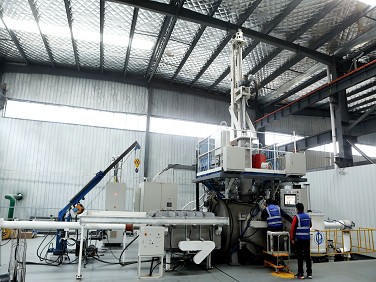
KOBO is well equipped with Hi-tech equipments, among them one is VAR(Vacuum Arc Remelt) melting furnace, a standard in industry, can allow multiple melting, it is economical to produce titanium which is for Industrial, Medical, Racing and Aerospace applications.
Another is EB( Electron Beam) melting furnace,Electron beam melting is distinguished by its superior refining capacity. Thus it is ideal for remelting and refining of metals and alloys under high vacuum in water cooled, ceramic free copper molds. It also plays an important role in manufacturing of high-pure sputtering target materials and alloys for the electronic industry.
We are fully equipped to supply a full range of refractory and reactive metals (titanium, niobium, tantalum, vanadium, molybdenum, tungsten, hafnium, zirconium,nickel etc) and their alloys. Our goal is to be a global metal resource solver.
Advanced Equipment


Our Certificate


Ultimate FAQ Guide to Titanium
As one of the leading titanium suppliers in China, we warmly welcome you to buy high-grade titanium in stock here from our factory. All our products are with high quality and low price. Contact us for quotation.
Titanium Pipes, Hafnium Sheet, Titanium Particles