


Material:Pure Tantalum, Ta Alloys
Grade:R05200 R05400 R05252 R05255 R05240
Standard:ASTM B365, ASTM F560
Sizes:Diameter 70-195 mm Length <=1600 mm
Density:16.6 g/cm3
Tantalum
Why Choose Us?
Rich Experience
KOBO is a professional Metal processing company with more than 20 years of experience. Dedicated to strict quality control and attentive customer service, our experienced staff is always available to discuss your requirements and ensure complete customer satisfaction.
Advanced Equipment
KOBO is well equipped with Hi-tech equipments. We are fully equipped to supply a full range of refractory and reactive metals (titanium, niobium, tantalum, vanadium, molybdenum, tungsten, hafnium, zirconium,nickel etc) and their alloys, with unparalleled product support and customer service.
Competitive Pricing
Years of industry insight and global supply chain knowledge, ensure you receive premium quality materials, at competitive market rates. We offer competitive pricing without compromising on quality, making our products accessible to a wide range of customers.
Sustainability
We are committed to environmental sustainability and strive to minimize our environmental impact by using eco-friendly production methods.
-
![Tantalum Ingot]()
-
![Tantalum Bar and Wire]() Tantalum Bar and WireMaterial:Pure Tantalum, Ta Alloysread more
Tantalum Bar and WireMaterial:Pure Tantalum, Ta Alloysread more
Grade:R05200 R05400 R05252 R05255 R05240
Standard:ASTM B365, ASTM F560
Sizes:Diameter customized
Density:16.6 g/cm3 -
![Tantalum Tube]() Tantalum TubeMaterial:Pure Tantalum, Ta Alloysread more
Tantalum TubeMaterial:Pure Tantalum, Ta Alloysread more
Grade:R05200 R05400 R05252 R05255 R05240
Standard:ASTM B365, ASTM F560
Sizes:Diameter customized
Density:16.6 g/cm3 -
![Tantalum Sheet]() Tantalum SheetMaterial:Pure Tantalum, Ta Alloysread more
Tantalum SheetMaterial:Pure Tantalum, Ta Alloysread more
Grade:R05200, R05400
Standard:ASTM B708
Sizes:Customized
Density:16.6 g/cm3 -
![Tantalum Machining Parts]() Tantalum Machining PartsMaterial:Pure Tantalum, Ta Alloysread more
Tantalum Machining PartsMaterial:Pure Tantalum, Ta Alloysread more
Grade:R05200 R05400
Standard:ASTM B521-98
Sizes:customized
Density:16.6 g/cm3 -
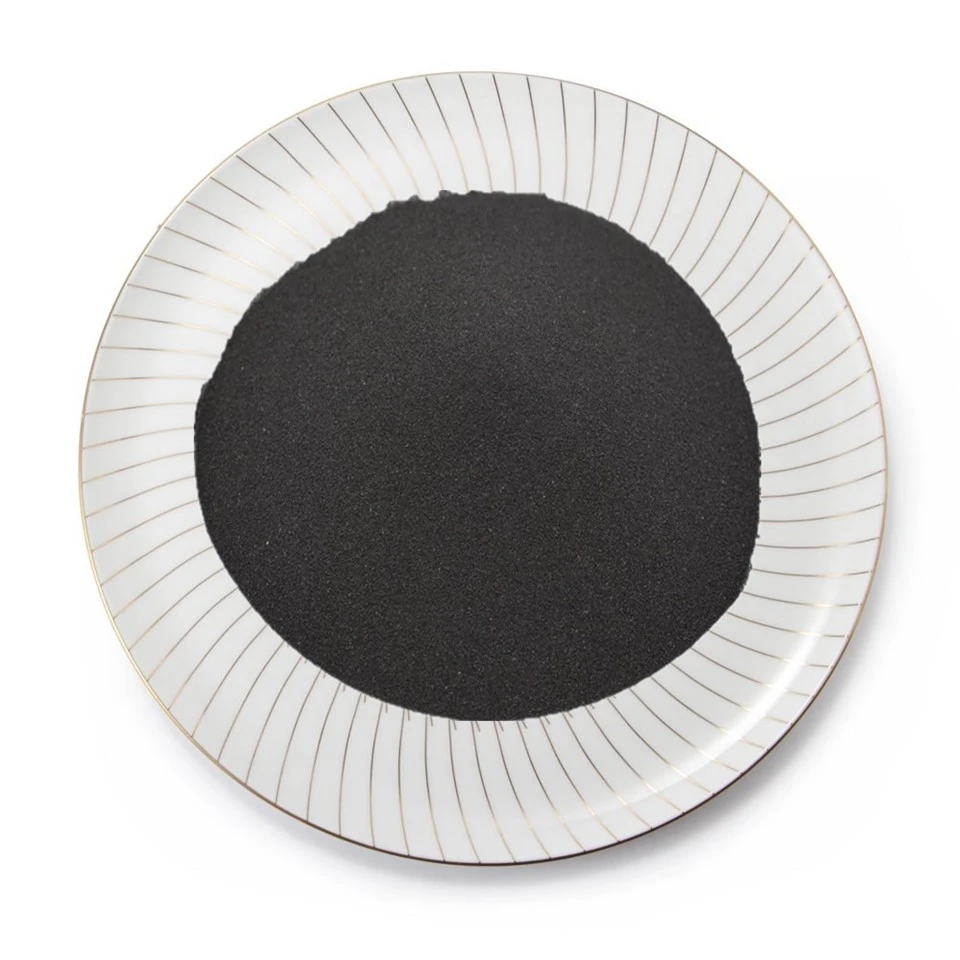
![Tantalum Powder]() Tantalum PowderMaterial:Pure Tantalum, Ta Alloysread more
Tantalum PowderMaterial:Pure Tantalum, Ta Alloysread more
Color:Black
Morphology:Spherical
Particle Size:1-10μm 5-25μm, 15-45μm
Purity:>99.9%


Definition of Tantalum
Tantalum is a chemical element with the symbol Ta and atomic number 73. It is a rare, hard, blue-gray, lustrous transition metal that is highly corrosion-resistant. Tantalum is found in minerals such as tantalite, columbite, and microlite. It is mostly used in electronic applications such as capacitors and smartphones. Tantalum has a relatively high melting point of about 3,017 degrees Celsius (5,463 degrees Fahrenheit), making it suitable for high-temperature applications. It is a dense metal, with a density of approximately 16.69 grams per cubic centimetre. Tantalum has a shiny, silvery appearance when freshly polished, but it can develop a patina over time.
Benefits of Tantalum
Tantalum is known for its exceptional corrosion resistance, which is due to the formation of a thin and stable oxide layer on its surface. This oxide layer protects the metal from reactions with many corrosive substances, including acids and some harsh chemicals.
High strength and ductility
Tantalum alloys combine high strength with good ductility, allowing them to be easily shaped and formed into complex geometries. This combination of properties is beneficial in applications that require both strength and flexibility, such as aerospace components, surgical implants, and high-pressure equipment.
Radiation resistance
Tantalum alloys exhibit good resistance to radiation damage, making them suitable for use in radiation-exposed environments. This radiation resistance is advantageous in nuclear reactors, where materials need to withstand the rigors of radiation exposure without undergoing significant degradation.
Low thermal expansion coefficient
Tantalum alloys have a low thermal expansion coefficient, meaning they expand minimally when heated. This property is beneficial in applications where dimensional stability is crucial, such as precision instrumentation and high-temperature components. The low thermal expansion coefficient helps maintain the accuracy and performance of the material even under thermal stress.
High chemical inertness
Tantalum alloys are chemically inert, meaning they do not easily react with other elements or compounds. This chemical inertness makes them suitable for use in chemical processing equipment, where exposure to harsh chemicals is common. The chemical inertness of tantalum alloys helps prevent corrosion and degradation, ensuring longer service life.
What Are the Properties of Tantalum?
Tantalum is a chemical element with the symbol Ta and atomic number 73. It is a rare, hard, blue-gray, lustrous transition metal that is highly corrosion-resistant. Tantalum is found in minerals such as tantalite, columbite, and euxenite. It is used in electronics manufacturing, for making capacitors and high-power resistors.
The name tantalum was derived from the name of the mythological Titan, TANTalus. The word tantalum comes from the Greek words "tanatos", meaning death, and "alanos", meaning thistle.
Tantalum has a density of 16.69 grams per cubic centimeter, making it one of the densest naturally occurring elements.
Tantalum is found in Africa, Australia, Brazil, Canada, China, India, Russia, and the United States. The major producers of tantalum are Australia (40%), Brazil (37%), Rwanda (9%), China (5%), and Nigeria (5%).
Applications of Tantalum
● It finds its applications in the field of high-temperature devices such as in the engines of aircraft.
● It is used mainly as an alloying medium as it is helpful for hardening metals.
● It is employed in the manufacture of capacitors.
● It has a high number of medical as well as dental applications.
● It is utilised in the chemical industries as it exhibits the properties of resistance to corrosion.

Is Tantalum the Rarest Metal?
Here we'll discuss a few actual rare metals, present in the earth in miniscule amounts but which have important applications nonetheless. The rarest stable metal is tantalum. The rarest metal on earth is actually francium, but because this unstable element has a half life of a mere 22 minutes, it has no practical use.
Tantalum, on the other hand, is used to make capacitors in electronic equipment such as mobile phones, DVD players, video game systems, and computers. It's also used to make surgical equipment and artificial joints. Tantalum is easily fabricated, corrosion resistant, and a good conductor of heat and electricity.
Tantalum's Enduring Allure in Modern Jewellery
In a world where jewellery materials often follow traditional paths, tantalum brings a breath of fresh air to the industry. Its modern elegance, combined with its exceptional properties, positions it as a metal that's both relevant and timeless. Tantalum jewellery is not just an accessory; it's a statement of innovation and a celebration of the unique allure that only tantalum can provide.
Whether you're seeking a tantalum ring, bracelet, necklace, or other adornments, you're choosing a material that embodies sophistication, durability, and a touch of mystery. Tantalum's place in the world of jewellery making is a testament to its enduring charm.
Tantalum, a metal that's been hidden in the shadows for far too long, has stepped into the limelight of jewellery making. Its unmatched properties, from corrosion resistance to stunning elegance, make it a material that's deserving of attention. As you explore tantalum jewellery, you're embarking on a journey into a world where innovation meets tradition, and where a rare metal adds a touch of brilliance to every piece it graces.
How Many Types of Tantalum Powder out There?
According to its use, tantalum powder can generally be divided into capacitor grade tantalum powder and metallurgical grade tantalum powder.
1. Properties & applications of capacitor grade tantalum powder
Capacitor-grade tantalum powder is generally divided into three series: Low-voltage series (working voltage not greater than 25v), medium-voltage series (working voltage is 32-40v), and high-voltage series (working voltage is not less than 50v).
Capacitor-grade tantalum powder is used to manufacture tantalum capacitor cores. Its quality is mainly determined by its physical properties, chemical composition, and electrical properties.
(1) Physical properties.
The physical properties mainly include average particle size, particle shape, fluidity, and forming density. Low-voltage series products should have a small average particle size, complex particle shape, and low forming density, while high-voltage series products should have a larger average particle size, simple particle shape, and higher forming density.
The fluidity determines whether the tantalum powder can be formed by an automatic forming machine. Therefore, with the rapid increase in the production of small chip tantalum capacitors, people have paid great attention to the fluidity of tantalum powder.
(2) Chemical composition.
The chemical composition has a direct effect on the electrical properties of tantalum powder. High impurity content, especially high phosphorus, boron, oxygen, carbon, potassium, sodium, and iron content, will increase the leakage current and decrease the breakdown voltage of the tantalum anodic oxide film, thereby deteriorating the electrical properties of the tantalum powder.
However, the content of certain elements in tantalum powder is not as low as possible. It was found that the incorporation of certain selected elements can improve certain electrical properties of tantalum powder. The practice has proved that adding a small amount of phosphide to the tantalum powder can inhibit the shrinkage of the tantalum block during sintering, thereby increasing the weight-specific capacitance of the tantalum powder, and incorporating a small amount of aluminide with high dielectric strength can increase the breakdown voltage of tantalum powder.
(3) Electrical properties.
Electrical properties refer to the dc leakage current, breakdown voltage, and capacitance of the tantalum anode block after the tantalum powder is weighed, compacted, vacuum sintered, and anodized. All these properties are not only determined by the intrinsic properties of the amorphous tantalum pentoxide anodic oxide film but also closely related to the physical properties and chemical composition of the tantalum powder.
2. Properties & applications of metallurgical grade tantalum powder
Metallurgical grade tantalum powder is used to prepare various tantalum materials or tantalum powder as alloy additives, so its quality is mainly measured by its physical properties and chemical composition. The particle size as an important physical performance index is better to pass a 150-mesh standard sieve and the bulk density is preferably 3-6g/cm3. In order to avoid the loss of chemical composition during vacuum sintering and melting, the oxygen content should be controlled at about 0.2%. Since tungsten, molybdenum, niobium, and other high melting point metals cannot be removed in the vacuum melting process, their content should be strictly controlled.
What You Should Know About Tantalum
What are the dangers of tantalum?
Tantalum is a valuable resource due to its unique properties, however, it is also associated with a number of environmental and health concerns.
Tantalum is used in the production of electronic devices such as cell phones, laptops, and gaming consoles. Due to its high melting point and resistance to corrosion, tantalum is also used in the aerospace and automotive industries.
However, tantalum mining is often linked with human rights abuses, as it is frequently sourced from conflict zones such as the democratic republic of congo. Furthermore, the extraction and processing of tantalum can result in environmental contamination.
Health concerns have also been raised regarding exposure to tantalum. Studies have shown that tantalum dust can cause respiratory problems, while exposure to tantalum compounds has been linked to cancer.
How can I avoid exposure to tantalum?
Tantalum is a silvery-gray metal that is found in the mineral tantalite. It is extremely hard and has a high melting point, making it difficult to work with. When exposed to air, it oxidizes quickly, making it difficult to solder. It is often used in electronics because of its ability to resist corrosion.
There are a few ways you can avoid exposure to tantalum:
● Wear gloves when handling the metal or working with products that contain it.
● Avoid contact with skin and eyes.
● Do not breathe in dust particles generated from grinding or machining tantalum products.
Physical Properties of Tantalum
|
Property |
Definition |
Units |
Importance |
|
Color |
Lustrous blue/gray |
- |
- |
|
Density |
Mass per unit volume |
16.69 g/cm³ |
Moderate |
|
Melting point |
Liquefaction temperature |
2,996 to 3,017 °C |
High |
|
Tensile strength |
Loading at failure |
170–300 MPa |
High |
|
Yield strength |
Loading at 0.2% extension (typical) |
100–200 MPa |
High |
|
Hardness |
Resistance to the diamond indenter |
90–120 Vickers |
- |
|
Ductility |
Ability to undergo plastic deformation without fracture |
Moderate |
High |
|
Resistivity |
Resistance typical level |
1.3x10^-7 mΩ |
Moderate |
|
Biocompatibility |
Chemical and electrochemical effects on living tissues |
- |
High |
Our Factory
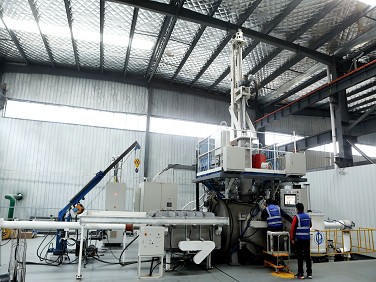
KOBO is well equipped with Hi-tech equipments, among them one is VAR(Vacuum Arc Remelt) melting furnace, a standard in industry, can allow multiple melting, it is economical to produce titanium which is for Industrial, Medical, Racing and Aerospace applications.
Another is EB( Electron Beam) melting furnace,Electron beam melting is distinguished by its superior refining capacity. Thus it is ideal for remelting and refining of metals and alloys under high vacuum in water cooled, ceramic free copper molds. It also plays an important role in manufacturing of high-pure sputtering target materials and alloys for the electronic industry.
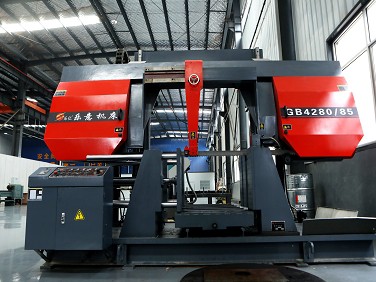
We are fully equipped to supply a full range of refractory and reactive metals (titanium, niobium, tantalum, vanadium, molybdenum, tungsten, hafnium, zirconium,nickel etc) and their alloys. Our goal is to be a global metal resource solver.
Advanced Equipment


Our Certificate


Ultimate FAQ Guide to Tantalum
As one of the leading tantalum suppliers in China, we warmly welcome you to buy high-grade tantalum in stock here from our factory. All our products are with high quality and low price. Contact us for quotation.
Zirconium Alloy Fittings, Tantalum Pipes, good Nickel Wires