


Material:Pure niobium, Nb Alloys
Grade:R04200, R04210
Standard:ASTM B392
Sizes:Customized
Density:8.57 g/cm3
Niobium
Why Choose Us?
Rich Experience
KOBO is a professional Metal processing company with more than 20 years of experience. Dedicated to strict quality control and attentive customer service, our experienced staff is always available to discuss your requirements and ensure complete customer satisfaction.
Advanced Equipment
KOBO is well equipped with Hi-tech equipments. We are fully equipped to supply a full range of refractory and reactive metals (titanium, niobium, tantalum, vanadium, molybdenum, tungsten, hafnium, zirconium,nickel etc) and their alloys, with unparalleled product support and customer service.
Competitive Pricing
Years of industry insight and global supply chain knowledge, ensure you receive premium quality materials, at competitive market rates. We offer competitive pricing without compromising on quality, making our products accessible to a wide range of customers.
Sustainability
We are committed to environmental sustainability and strive to minimize our environmental impact by using eco-friendly production methods.
-
![Niobium Ingot]()
-
![Niobium Bar and Wire]() Niobium Bar and WireMaterial:Pure niobium, Nb Alloysread more
Niobium Bar and WireMaterial:Pure niobium, Nb Alloysread more
Grade:R04200, R04210
Standard:ASTM B392-98
Sizes:Customized
Density:8.57 g/cm3 -
![Niobium Tube]() Niobium TubeMaterial:Pure niobium, Nb Alloysread more
Niobium TubeMaterial:Pure niobium, Nb Alloysread more
Grade:R04200, R04210
Standard:ASTM B392-98
Sizes:Customized
Density:8.57 g/cm3 -
![Niobium Sheet]() Niobium SheetMaterial:Pure niobium, Nb Alloysread more
Niobium SheetMaterial:Pure niobium, Nb Alloysread more
Grade:R04200, R04210
Standard:ASTM B392
Sizes:Customized
Density:8.57 g/cm3 -
![Niobium Sputtering Target]() Niobium Sputtering TargetMaterial:Pure niobium, Nb Alloysread more
Niobium Sputtering TargetMaterial:Pure niobium, Nb Alloysread more
Grade:R04200, R04210
Standard:ASTM B392, ASTM B393
Sizes:Customized
Density:8.57 g/cm3 -
![Niobium Machining Parts]() Niobium Machining PartsMaterial:Pure niobium, Nb Alloysread more
Niobium Machining PartsMaterial:Pure niobium, Nb Alloysread more
Grade:R04200, R04210
Standard:ASTM B392, ASTM B393
Sizes:Customized/According to drawing
Density:8.57 g/cm3


Definition of Niobium
Niobium a material for innovations, a lustrous light gray ductile metallic element that resembles tantalum chemically and is used in alloys. Niobium is ductile and occurs with tantalum in a natural ore. Niobium has a gleaming white appearance on polished surfaces. It is characterized by a high melting point of 2,477°C and a density of 8.58g/cm³. Niobium can be easily formed, even at low temperatures. But niobium is not just pretty to look at. Like tantalum, it is resistant to many chemicals and can be easily formed even at low temperatures.
Benefits of Niobium
Niobium a material for Innovations. A multi-talented material is widely used for optical applications, electronics, and superalloys. Niobium materials can be widely used in manufacturing coins and diamonds. The applications for which our niobium is used are as diverse as the properties of the material itself.
Precious and glowing with color
When used in coin production, our niobium can be seen in its very best light. An anodizing process forms a thin oxide layer on the niobium core. The refraction of the incident light causes the layer to shine in a range of different colors. We can influence these colors by modifying the thickness of the layer. From red to blue, any color is possible.
Pure niobium melted quality
We supply our niobium ready for melting in sheet, ribbon or rod form. We are also very happy to manufacture complex parts.
Excellent formability and resistance
Its high level of resistance and excellent formability make niobium the perfect material for the crucibles used to manufacture synthetic polycrystalline diamonds (pcd). Our niobium crucibles are used for high-pressure, high-temperature synthesis.
Applications of Niobium
1
Iron and steel industry
About 85% to 90% of niobium in the world is used for iron and steel production as a form of niobium iron. The steel can increase more than 30% of strength by adding 0.03% - 0.05% niobium. Niobium can induce precipitation and control cooling rate to achieve dispersion distribution of the precipitates, and adjust the toughness level of steel in a wide range. Therefore, the addition of niobium steel can not only enhance the strength of steel, but also can improve the high-temperature oxidation resistance and corrosion resistance of steel, reduce ductile brittle transition temperature of steel, the steel has good welding properties and formability.
2
Superconducting materials industry
Some niobium compounds and niobium alloys have high superconducting transition temperature, which is widely used in the manufacture of various industrial superconductors, such as a superconducting generator, high power accelerator magnets, superconducting magnetic energy storage, magnetic resonance imaging equipment etc.
3
Aerospace industry
Aerospace industry is the main application area of high purity niobium, mainly used for manufacturing engines and heat resistant components rockets and spacecraft. Nb - and ta - based hot - alloys have excellent thermal and thermal resistance and processability, which are widely used in aircraft components and gas turbine blades. In the united states, almost all jet fighter engines are made of niobium alloy.
4
Atomic energy industry
Niobium has a high thermal conductivity, high melting point, good corrosion resistance, and low neutron capture cross section. It is a material that is well suited for atomic reactors. The major uses of niobium in the atomic energy industry include the inclusion of nuclear fuel, the alloys of nuclear fuels, and the structural materials of heat exchangers in nuclear reactors.
5
Electronic industry
Niobate ceramics can be used for the production of capacitors. Single crystal such as lithium niobate and potassium niobate compounds is a new type of optoelectronics and electronics with good crystal, piezoelectric, pyroelectric and optical properties, has been widely applied to infrared, laser technology and electronic industry. In addition, niobium has high melting point, high emission electron capacity, and has the ability to attract air. It can be used to make electron tubes and other electronic vacuum devices.
6
Medical field
Niobium has anti - corrosive physiological and good biological compatibility, will not happen various liquid substances in the human body, and almost no damage to biological tissues, can adapt for any sterilization method, which are often used in the manufacture of bone plate, skull plate screw, plant root, surgical instruments etc.
7
Other applications
In the chemical industry, niobium is a high quality acid and liquid metal corrosion resistant material that can be used in cooking machines heaters and coolers. In addition, niobium acid is also an important catalyst.
Niobium has also been applied to the foundry industry, its main role is to form a hard carbide and change of graphite morphology and size, which are often used in the manufacture of automotive cylinder head, piston ring and brake etc.. In addition, niobium is sometimes used in commemorative coins with gold and silver.

Niobium - 41Nb: Reactions of Elements
Reaction of niobium with air
Niobium does not react with air under normal conditions. The surface of niobium metal is protected by a thin oxide layer.
Reaction of niobium with water
Niobium does not react with water under normal conditions. The surface of niobium metal is protected by a thin oxide layer.
Reaction of niobium with the halogens
Niobium does react with the halogens upon warming to form niobium(V) halides. So, niobium reacts with fluorine, F2, chlorine, Cl2, bromine, I2, and iodine, I2, to form respectively niobium(V) bromide, NbF5, niobium(V) chloride, NbCl5, niobium(V) bromide, NbBr5, and niobium(V) iodide, NbI5.
● 2Nb(s) + 5F2(g) → NbF5(s) [white]
● 2Nb(s) + 5Cl2(g) → NbCl5(l) [yellow]
● 2Nb(s) + 5Br2(g) → NbBr5(s) [orange]
● 2Nb(s) + 5I2(g) → NbI5(s) [brass coloured]
Reaction of niobium with acids
Niobium appears not to be attacked by many acids at room temperature but does dissolve in hydrofluoric acid, HF, or in a mixture of HF and nitric acid, HNO3.
Reaction of niobium with bases
Niobium metal is largely resistant to attack by molten alkali but will dissolve slowly.
What Niobium Alloys Are of Interest for High Temperature Applications?
The density of niobium is only slightly greater than that of steel and considerably less than that of other refractory metals with higher melting points. Because of this, and the high-temperature strength and favorable nuclear properties, there has been extensive development of niobium base alloys for airborne nuclear reactors. In addition to the use of niobium metal in electron tubes and in other electronic equipment, it is used as an alloying element in certain stainless steels, in special grades of low-alloy steels, and in certain nickel-base superalloys and iron-base electrical alloys.
Niobium alloys that are of interest at the present time for elevated temperature service are as follows:
|
FS-80 (Cb-0. 75Zr) |
Cb-65 (Cb-7Ti-0. 8Zr |
|
FS-82 (Cb-34Ta-0. 75Zr) |
Cb-74 (Cb-10W-4Zr) |
|
FS-83 (Cb-Z8Ta- 11W- lZr) |
Cb-7 (Cb-28W-7Ti) |
|
F-48 (Cb- 15W-5Mo- 1Zr-0. 05 0-0. 05C) |
Cb-16 (Cb-Z0W-lOTi-3V) |
|
F-50 (Cb-15W-5Mo-lZr-5Ti-0. 05 0-0. 05C) |
15-20 (Cb-15W-2OTa) |
|
D-31 (Cb-1OMo-1OTi) |
20-20 (Cb-20W-2OTa) |
Commercial application of niobium is dominated by its use as an alloying element in steels. Almost 75% of all niobium metal is used as minor alloying additions in low-alloy steel. Another 20 to 25% is used as alloy additions in nickel-base superalloys and heat-resisting steels. Only 1 to 2% of all niobium is used in the form of niobium-base alloys and pure niobium metal including superconducting niobium-titanium alloy, which accounts for over one-half of all niobium alloys produced. Originally, niobium metal was produced by powder metallurgy methods which involved high temperature vacuum sintering and carbon reduction.
Properties of Niobium
The pure metal is soft and ductile; it looks like steel or, when polished, like platinum. Although it has excellent corrosion resistance, niobium is susceptible to oxidation above about 400° C (750° F). Niobium can best be dissolved in a mixture of nitric and hydrofluoric acids. Completely miscible with iron, it is added in the form of ferroniobium to some stainless steels to give stability on welding or heating. Niobium is used as a major alloying element in nickel-based superalloys and as a minor but important additive to high-strength, low-alloy steels.
Because of its compatibility with uranium, resistance to corrosion by molten alkali-metal coolants, and low thermal-neutron cross section, it has been used alone or alloyed with zirconium in claddings for nuclear reactor cores. Cemented carbides used as hot-pressing dies and cutting tools are made harder and more resistant to shock and erosion by the presence of niobium. Niobium is useful in constructing cryogenic (low temperature) electronic devices of low power consumption. Niobium-tin (Nb3Sn) is a superconductor below 18.45 Kelvins (K), and niobium metal itself, below 9.15 K.
Compounds of niobium are of relatively minor importance. Those found in nature have the +5 oxidation state, but compounds of lower oxidation states (+2 to +4) have been prepared. Quadruply charged niobium, for example, in the form of the carbide, NbC, is used for making cemented carbides.
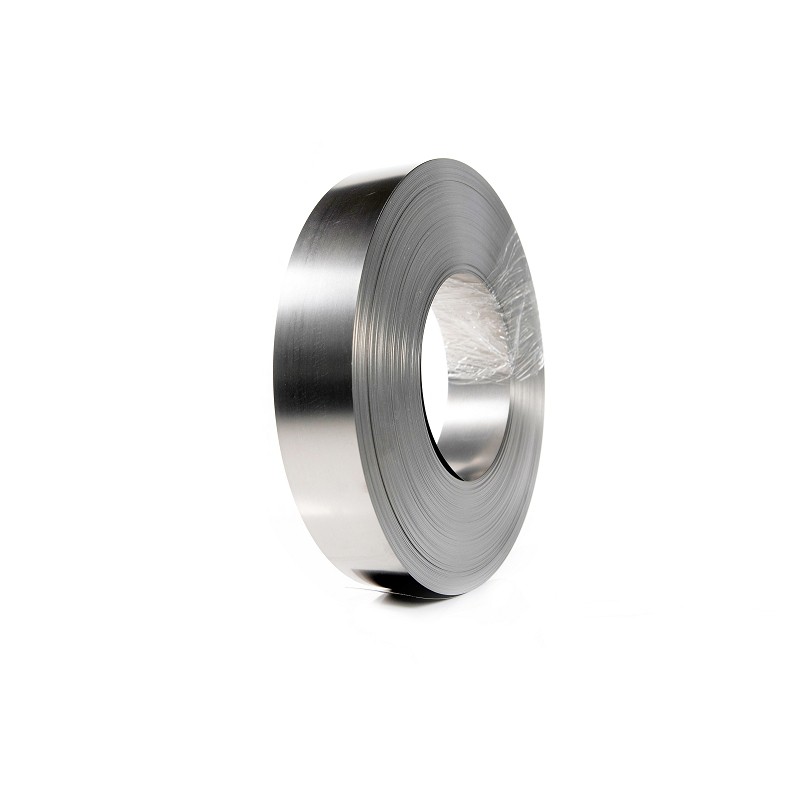
What Is Niobium Used For In Everyday Life?
One factor that has been important in the development of niobium is its low-capture cross-section for thermal neutrons in nuclear applications. For these applications, its favorable fabrication characteristics and high-temperature mechanical properties also have been an advantage.
In common with the other refractory metals, the tendency for niobium and its alloys to oxidize in air at elevated temperatures has been a serious disadvantage. A number of alloy-development programs have been set up to try to overcome this problem. However, the alloying combinations that have been tried have not achieved the desired oxidation resistance without increasing the fabrication problems. Coatings are also being developed for niobium and its alloys to prevent oxidation at elevated temperatures.
Pure niobium is very ductile and can be cold-worked easily at room temperature. As with tantalum, large reductions are possible between anneals. However, niobium has a tendency to seize and gall in such processes as wire drawing, spinning, and threading, so special techniques are required for these processes. Working and forming is usually done at room temperature to prevent oxidation that would occur at elevated temperatures.
Cast ingots of niobium alloys have been extruded successfully from 1200 to 3000℉ and forged at 2300℉. At least one high-strength niobium alloy, which has been so prepared as to contain only very small amounts of contaminating elements, has been extruded successfully at room temperature.
What Is Special About Niobium?
Niobium is a lustrous, ductile metal. It features a high melting point (2,477° C), lower density than similar refractory metals, high corrosion resistance (but lower than tantalum), and good cold working properties.
Following is a summary of its properties:
● Element Category — Transition Metals
● Phase — Solid
● Symbol — Nb
● Number — 41
● Density — 8.57 grams per cubic centimeter
● STD Atomic Weight — 92.90638(2) g/mol
● Crystal Structure — Body Centered Cubic
● Melting Temperature — 2750 K, 2477° C, 4491° F
● Boiling Point — 5017 K, 4744° C, 8571° F
● Electrical Resistivity — (0 °C) 152 nΩ·m
● Thermal Conductivity — (300 K) 53.7 W·m−1·K−1
● Thermal Expansion — 7.3 µm/(m·K)
Why Is Niobium Used in Jewelry?
Niobium is perhaps the most widely-used refractory metal in jewelry-making. It is a rare metal and has high strength. It is scratch resistant and hypoallergenic. It is easy to cut with a jewelers saw and can be hand-formed and forged with ease.
At room temperature, a thin oxide film forms on the surface of niobium which protects it from corrosion. Light weight, very malleable and similar to platinum in appearance, it can be finished to its natural grey color or anodized to create a unique rainbow of iridescent colors. Comparable to sterling silver in cost, it has become a favorite for those looking for investment jewelry.
In addition, Niobium has found a unique niche market in the creation of chainmaille jewelry designs. Chainmail is produced by connecting metal rings to one another.
How Magnetic Is Niobium?
Niobium plays a vital role in the advancement of science through its use in superconducting electromagnets. Niobium-based superconductors have allowed a host of exceptional technologies to be developed, including life-saving MRI machines, magnetic levitation trains, and mass spectroscopy. They are also used in particle accelerators and nuclear fusion reactors - applications that are pushing back the boundaries of science.
Two niobium-based materials act as superconductors when cooled to almost absolute zero (0 kelvin or minus 273.15°C):
● Niobium-titanium (53% Nb, 47% Ti) is the most common material and generates magnetic fields up to 10.5 Tesla (T). It is relatively inexpensive, has excellent mechanical properties and produces stable and uniform magnetic fields.
● Niobium-tin (Nb3Sn) is a brittle intermetallic compound with poor mechanical properties, but generates far higher magnetic fields (up to 20T). Despite its higher cost and being difficult to work with, Nb3Sn is seeing a growing number of applications, often as a replacement for NbTi.
Our Factory
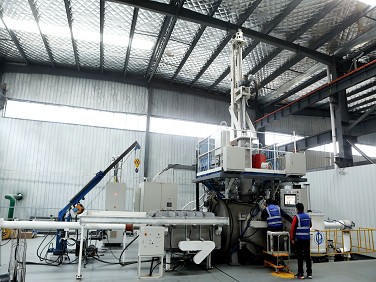
KOBO is well equipped with Hi-tech equipments, among them one is VAR(Vacuum Arc Remelt) melting furnace, a standard in industry, can allow multiple melting, it is economical to produce titanium which is for Industrial, Medical, Racing and Aerospace applications.
Another is EB( Electron Beam) melting furnace,Electron beam melting is distinguished by its superior refining capacity. Thus it is ideal for remelting and refining of metals and alloys under high vacuum in water cooled, ceramic free copper molds. It also plays an important role in manufacturing of high-pure sputtering target materials and alloys for the electronic industry.
We are fully equipped to supply a full range of refractory and reactive metals (titanium, niobium, tantalum, vanadium, molybdenum, tungsten, hafnium, zirconium,nickel etc) and their alloys. Our goal is to be a global metal resource solver.
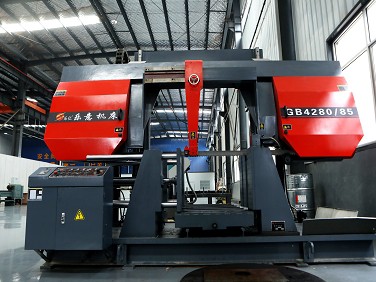
Advanced Equipment


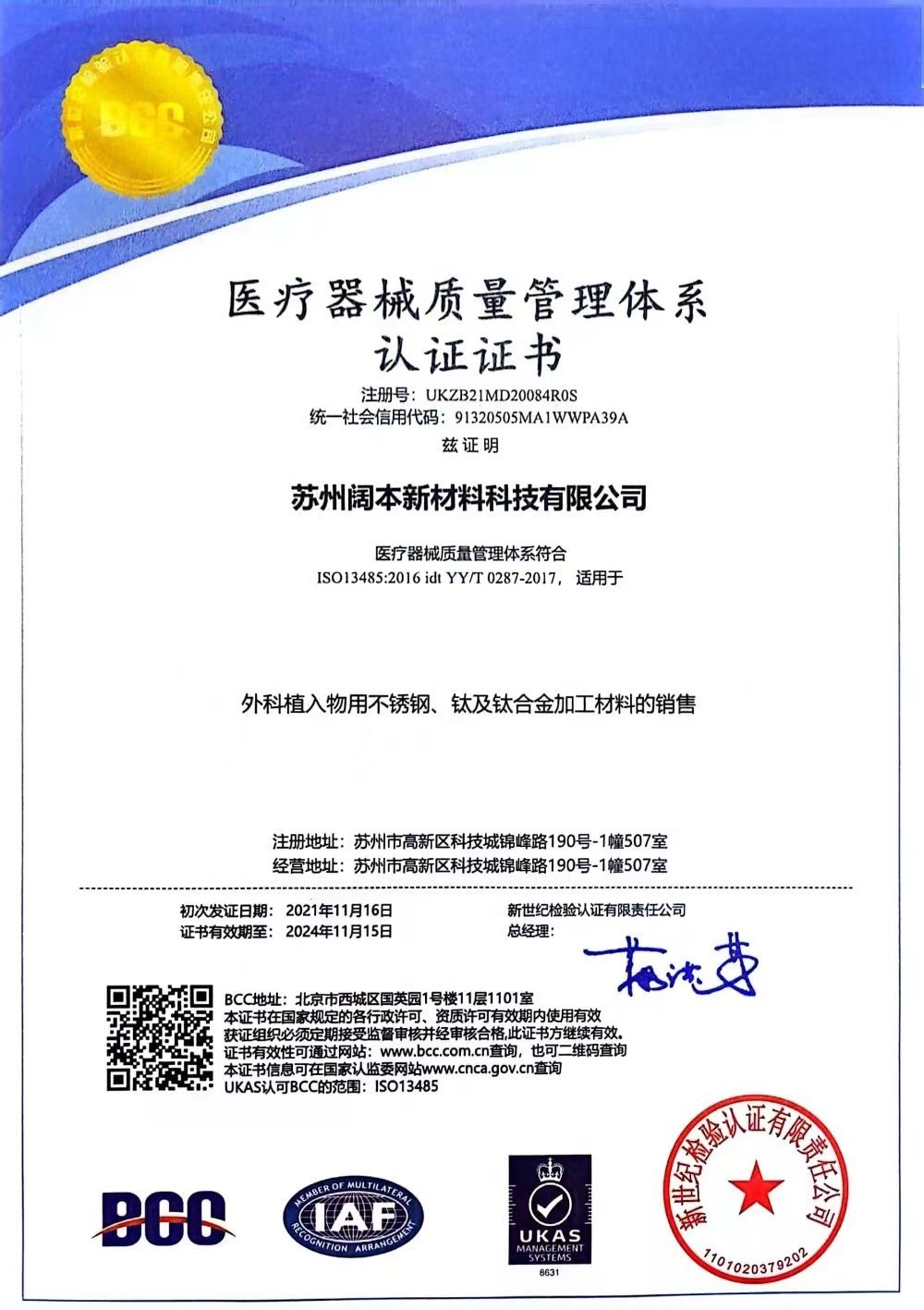
Our Certificate


Ultimate FAQ Guide to Niobium
As one of the leading niobium suppliers in China, we warmly welcome you to buy high-grade niobium in stock here from our factory. All our products are with high quality and low price. Contact us for quotation.
Good made Hafnium Rods Alloys, Niobium Bar and Wire, Tantalum Particles