


Why Choose Us?
Rich Experience
KOBO is a professional Metal processing company with more than 20 years of experience. Dedicated to strict quality control and attentive customer service, our experienced staff is always available to discuss your requirements and ensure complete customer satisfaction.
Advanced Equipment
KOBO is well equipped with Hi-tech equipments. We are fully equipped to supply a full range of refractory and reactive metals (titanium, niobium, tantalum, vanadium, molybdenum, tungsten, hafnium, zirconium,nickel etc) and their alloys, with unparalleled product support and customer service.
Competitive Pricing
Years of industry insight and global supply chain knowledge, ensure you receive premium quality materials, at competitive market rates. We offer competitive pricing without compromising on quality, making our products accessible to a wide range of customers.
Sustainability
We are committed to environmental sustainability and strive to minimize our environmental impact by using eco-friendly production methods.
Definition of Titanium Powder
Titanium powder is a versatile metallic material valued for its unique combination of high strength, low density, corrosion resistance, and biocompatibility. As a powder, titanium facilitates advanced manufacturing techniques like metal injection molding (MIM), additive manufacturing (AM), hot isostatic pressing (HIP), and powder metallurgy (PM) pressing and sintering to create complex titanium components. The powder form of titanium enables its utilization in additive manufacturing, also known as 3D printing, and other applications where precise and intricate shapes are required.

Material:C.P.Titanium, Ti Alloys
Grade:Gr1, Gr2, Gr4, Gr5, Gr7, Gr9, Gr11, Gr12, Gr16, Gr23 etc
Standard:ASTM F67, ASTM F136, ASME SB-265, ASTMB348, AMS4928, AMS 4931B etc
Sizes:Customized
Density:4.5-4.51 g/cm3

Material:C.P.Titanium, Ti Alloys
Grade:Gr1, Gr2, Gr9
Standard:ASTM B337, ASTM SB338, ASTM B861 etc
Sizes:Customized
Density:4.5-4.51 g/cm3

Material:C.P.Titanium, Ti Alloys
Grade:Gr1, Gr2, Gr4, Gr5, Gr7, Gr9, Gr11, Gr12, Gr16, Gr23 etc
Standard:ASTM B265 AMS 4911 ASTM F136 ASTM F67 etc
Sizes:Customized
Density:4.5-4.51 g/cm3

Material:C.P.Titanium, Ti Alloys
Grade:Gr1, Gr2, Gr4, Gr5, Gr7, Gr9, Gr11, Gr12, Gr16, Gr23 etc
Standard:ASME, DIN, ANSI, ISO
Sizes:customized
Density:4.5-4.51 g/cm3

Material:Pure niobium, Nb Alloys
Grade:R04200, R04210
Standard:ASTM B392
Sizes:Customized
Density:8.57 g/cm3

Material:Pure niobium, Nb Alloys
Grade:R04200, R04210
Standard:ASTM B392-98
Sizes:Customized
Density:8.57 g/cm3

Material:Pure niobium, Nb Alloys
Grade:R04200, R04210
Standard:ASTM B392, ASTM B393
Sizes:Customized/According to drawing
Density:8.57 g/cm3
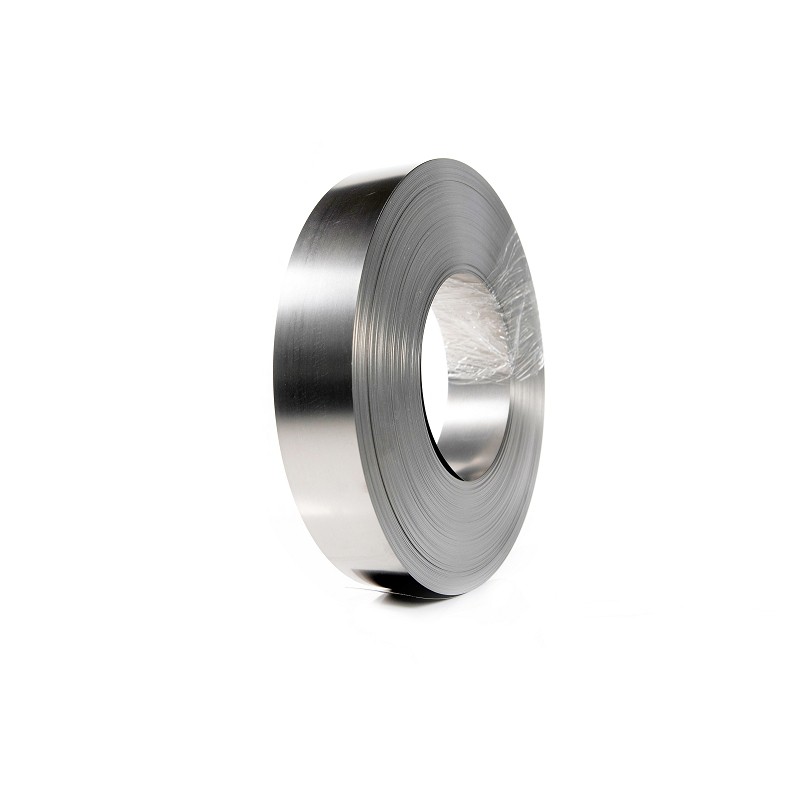
Material:Pure niobium, Nb Alloys
Grade:R04200, R04210
Standard:ASTM B392
Sizes:Customized
Density:8.57 g/cm3

Material:Pure Tantalum, Ta Alloys
Grade:R05200 R05400 R05252 R05255 R05240
Standard:ASTM B365, ASTM F560
Sizes:Diameter customized
Density:16.6 g/cm3
Benefits of Titanium Powder
Exceptional strength: Titanium powder provides excellent strength-to-weight ratio, ensuring lightweight yet robust components.
Corrosion resistance: Titanium exhibits remarkable corrosion resistance, making it suitable for applications in aggressive environments.
Biocompatibility: Titanium powder is biocompatible, enabling its use in medical and dental implants without adverse reactions.
Additive manufacturing flexibility: Titanium powder allows for intricate designs and complex geometries in additive manufacturing processes.
Heat resistance: Titanium exhibits high-temperature resistance, maintaining its structural integrity even in extreme conditions.
Titanium, like magnesium, is classified as a combustible metal, but again the size and shape of the metal determine to a great extent whether or not it will ignite. Castings and other massive pieces of titanium are not combustible under ordinary conditions. Small chips, fine turnings, and dust ignite readily and, once ignited, burn with the release of large quantities of heat. Tests have shown that very thin chips and fine turnings could be ignited by a match and heavier chips and turnings by a Bunsen burner.
Coarse chips and turnings 0.79 by 2.7 mm (1/32 by 3/28 in.) or larger may be considered as difficult to ignite, but unless it is known that smaller particles are not mixed with the coarser material in significant amounts, it is wise to assume easy ignition is possible. Finely divided titanium in the form of dust clouds or layers does not ignite spontaneously (differing in this respect from zirconium, plutonium, and certain other metals). Ignition temperatures of titanium dust clouds in air range from 332 to 588 degrees C (630 to 1,090 degrees F), and of titanium dust layers from 382 to 510 degrees C (720 to 950 degrees F).
Titanium dust can be ignited in atmospheres of carbon dioxide or nitrogen. Titanium surfaces that have been treated with nitric acid, particularly with red fuming nitric acid containing 10 to 20% nitrogen tetroxide, become pyrophoric and may be explosive. The unusual conditions under which massive titanium shapes will ignite spontaneously include contact with liquid oxygen, in which case it may explode on contact. It has been found that under static conditions spontaneous ignition will take place in pure oxygen at pressures of at least 2,413 kPa (350 psi). If the oxygen was diluted, the required pressure increased, but in no instance did spontaneous heating occur in oxygen concentrations less than 35%. Another requirement for spontaneous heating is a fresh surface which oxidizes rapidly and exothermically in an oxygen atmosphere.
Applications of Titanium Powder
Key applications for titanium powder include aerospace components, medical implants, automotive parts, sporting equipment, chemical processing, and consumer products. Some notable applications include:
Additive manufacturing
Titanium powders is widely used in additive manufacturing or 3d printing. Its high strength, lightweight nature, and corrosion resistance make it ideal for fabricating complex components in aerospace, automotive, and medical sectors. Additive manufacturing using titanium powder enables the production of intricate designs with excellent mechanical properties.
Aerospace and defense
The aerospace and defense industries extensively utilize titanium powder. It is used in the production of aircraft components, missile systems, engine parts, and structural elements. Titanium's high strength-to-weight ratio and resistance to extreme temperatures make it an ideal choice for these demanding applications.
In the automotive industry, titanium powders is employed for manufacturing lightweight components that contribute to fuel efficiency and improved performance. Titanium-based alloys find applications in exhaust systems, suspension components, and engine parts, offering durability and corrosion resistance.
Biomedical and dental implants
Titanium powders is highly valued in the medical field for its biocompatibility and corrosion resistance. It is widely used in the production of orthopedic implants, dental implants, and surgical instruments. The ability of titanium to integrate with living tissues makes it a preferred choice for these critical applications.
Sports equipment
The sports industry utilizes titanium powders for the production of high-performance sports equipment. Titanium-based alloys are used in the manufacturing of bicycle frames, golf clubs, tennis rackets, and various other athletic gear. The lightweight nature and strength of titanium contribute to enhanced performance and durability.
• Likely Routes of Exposure: Inhalation, skin and eyes.
• Symptoms of Exposure: May cause irritation if dusts or fumes are inhaled or swallowed. Fines/dusts may irritate skin and eyes.
• Toxicological Effects: Titanium is generally considered to be physiologically inert.
• Acute Toxicity: No data
• Carcinogenicity: NTP: Not identified as carcinogenic IARC: Not identified as carcinogenic
• The chemical, physical and toxicological characteristics of the substance are not fully known.
• Other Adverse Effects: Do not allow material to be released to the environment.
• Air & water reactions
Highly flammable. Pyrophoric in dust form. Titanium is water-reactive at 700c, releasing hydrogen, which may cause an explosion.
• Fire hazard
Flammable/combustible material. May ignite on contact with moist air or moisture. May burn rapidly with flare-burning effect. Some react vigorously or explosively on contact with water. Some may decompose explosively when heated or involved in a fire. May re-ignite after fire is extinguished. Runoff may create fire or explosion hazard. Containers may explode when heated.
• Health hazard
Fire will produce irritating, corrosive and/or toxic gases. Inhalation of decomposition products may cause severe injury or death. Contact with substance may cause severe burns to skin and eyes. Runoff from fire control or dilution water may cause environmental contamination. Caution: Pentaborane is highly toxic and may be fatal if inhaled, ingested or absorbed through skin.
• Reactivity profile
Titanium reacts violently with cupric oxide and lead oxide when heated. When titanium is heated with potassium chlorate, potassium nitrate, or potassium permanganate, an explosion occurs. The residue from the reaction of titanium with red fuming nitric acid exploded violently when the flask was touched. Liquid oxygen gives a detonable mixture when combined with powdered titanium.
What Is Titanium Powder Made out Of?
To produce the powder, titanium tetrachloride is reduced with magnesium, and titanium sponge is purified by vacuum distillation and hydrogenation. An important aspect of the process is introduction of additional titanium hydride powder together with titanium tetrachloride.
This added powder positively affects the kinetics of the magnesium reduction process by causing emission of additional atomic hydrogen, which helps to reduce oxides in the system, cleans the interparticle interfaces of the product, and enhances the diffusion between components in the powder mixture.
A pure titanium powder with high Ti metal content. Ti metal powder is resistant to most chemical reagents but is attacked at elevated temperatures by acids and oxidizing agents. Dilute aqueous hydrofluoric acid attacks titanium vigorously.
Keep away from flames, sparks and heat sources. Use ground connected metallic apparatus to prevent electrostatic charges causing self ignition. Vacuum drying of suspensions is not recommended. Wear gloves and protective goggles. Titanium powder is a flammable solid and should be handled with caution. Mixing, blending, milling, and grinding of dry Ti powder should be done only under argon or helium. In case of fire, cover with dry sand or dry chemical/dolomite (powdered limestone). Never extinguish with water, carbon dioxide, or halocarbon.
Titanium powder is a beautiful material, both lightweight and strong, but the dust can be dangerous. Titanium is used in applications where both high strength and low weight are required, such as, aerospace components, high performance auto racing parts, surgical equipment, and joint replacements.
But, titanium powder is pyrophoric: A cloud of titanium dust can ignite with explosive force sometimes spontaneously when exposed to air or when ignited by a spark. It doesn't take much. The lower explosive limit for titanium dust is 20 to 30 micrograms per cubic centimeter. This is about the equivalent of 25 to 40 specks of household dust in a little box 0.4 inches on each side.
In some cases, a static discharge of only 25 millijoules may cause ignition. This is about the same amount of energy you get from the static electricity created after you shuffle across a carpet and touch a light switch.
Properties of Titanium Powders
Particle Size and Shape
The particle size and shape of titanium powders play a crucial role in determining its properties and applications. Finer particles provide increased surface area, allowing for better reactivity and sintering capabilities. The shape of the powder particles can vary from spherical to irregular, impacting flowability, packing density, and processability.
Purity and Composition
The purity and composition of titanium powders are vital considerations, as they directly affect the material's performance and reliability. High-purity powders ensure minimal impurities, which is especially critical in applications such as aerospace and biomedical fields. Different compositions, such as titanium alloys, offer tailored properties for specific requirements.
Surface Characteristics
The surface characteristics of titanium powders influence its interactions with surrounding environments. Factors like surface oxidation, contamination, and surface energy can affect powder flow, adhesion, and the quality of the final product. Proper surface treatment and handling techniques are essential to maintain the integrity of titanium powders.
Titanium powder: Safe handling and safe storage
Precautions for safe handling
Mixing, blending, milling or grinding of dry powder should be performed only under argon or helium. Handle in an enclosed, controlled process. Use non-sparking tools. Protect from sources of ignition. Avoid creating dust. Provide adequate ventilation if dusts are created. Avoid breathing dust or fumes. Avoid contact with skin and eyes. Wash thoroughly before eating or smoking.
Conditions for safe storage
Store in a cool, dry area. Store titanium powder tightly sealed in properly labeled containers, preferably under argon. Store away from heat and ignition sources.
Our Factory
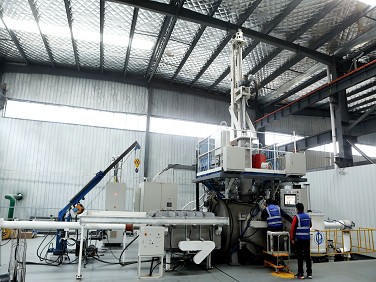
KOBO is well equipped with Hi-tech equipments, among them one is VAR(Vacuum Arc Remelt) melting furnace, a standard in industry, can allow multiple melting, it is economical to produce titanium which is for Industrial, Medical, Racing and Aerospace applications.
Another is EB( Electron Beam) melting furnace,Electron beam melting is distinguished by its superior refining capacity. Thus it is ideal for remelting and refining of metals and alloys under high vacuum in water cooled, ceramic free copper molds. It also plays an important role in manufacturing of high-pure sputtering target materials and alloys for the electronic industry.
We are fully equipped to supply a full range of refractory and reactive metals (titanium, niobium, tantalum, vanadium, molybdenum, tungsten, hafnium, zirconium,nickel etc) and their alloys. Our goal is to be a global metal resource solver.
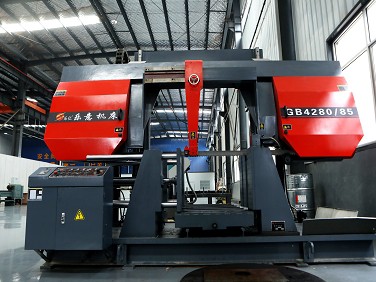
Advanced Equipment


Our Certificate


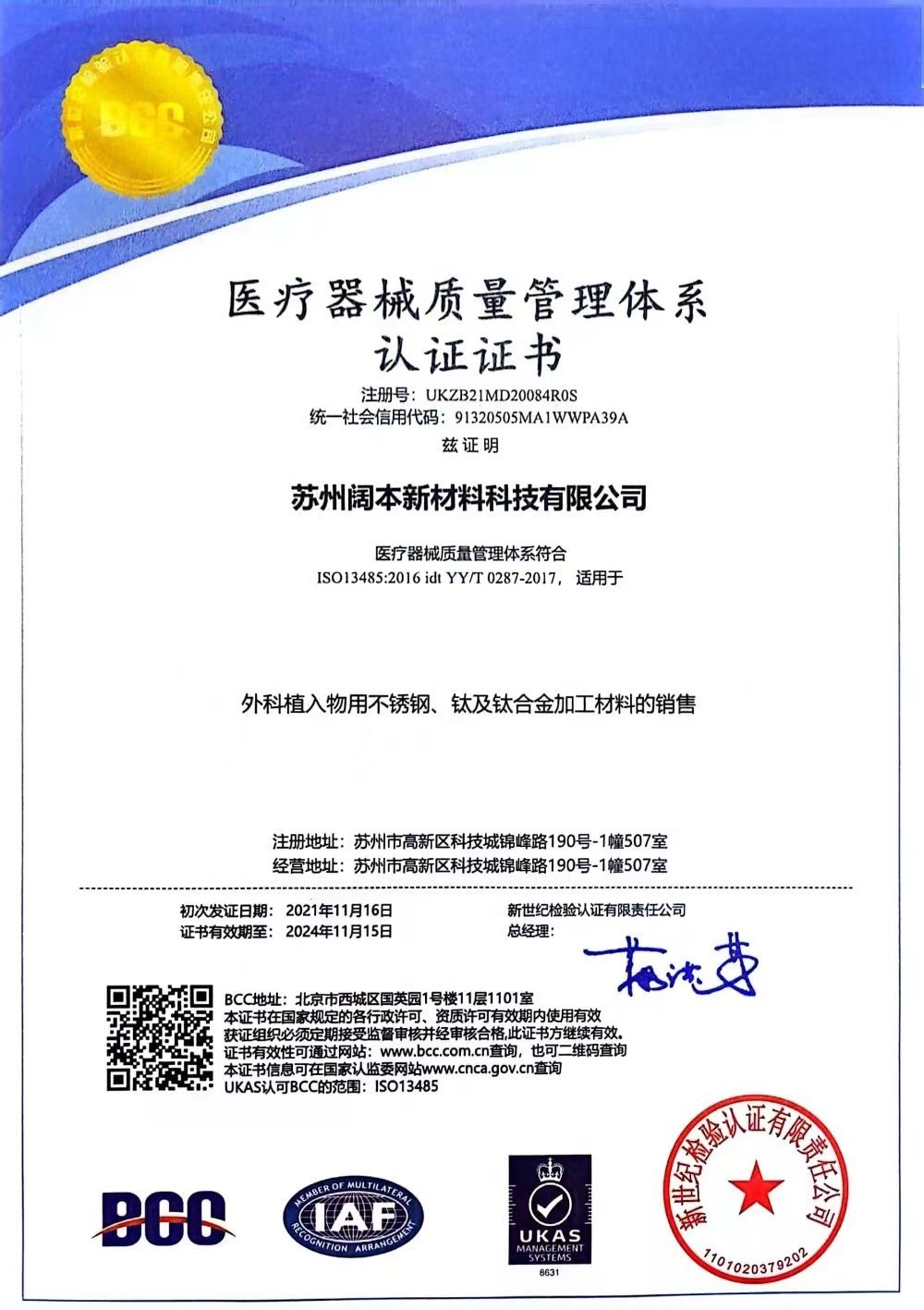
Ultimate FAQ Guide to Titanium Powder
Hot Tags: titanium powder, China titanium powder suppliers, factory, titanium products for medical use, titanium turbines, titanium for industrial, titanium for power generation, titanium plating, F136 Titanium Bars


