

Hey there! As a supplier of tantalum sheets, I've seen firsthand how the quality of these little marvels can significantly impact their performance. So, let's dive right into it and explore the ins and outs of this topic.
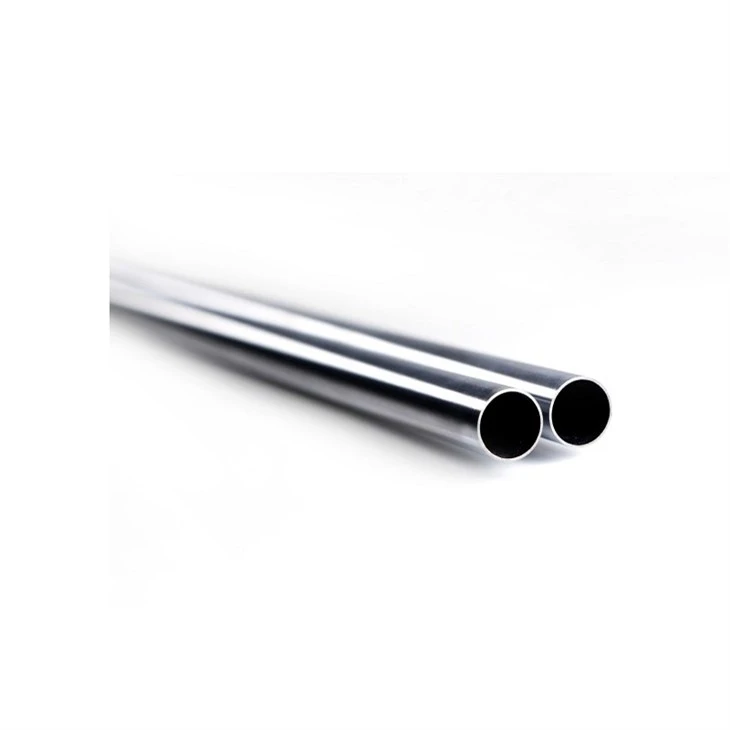
First off, what's tantalum? It's a super cool metal. You might know it from things like Tantalum Powder, Tantalum Tube, or Tantalum Ingot. But today, our focus is on tantalum sheets. Tantalum sheets are used in a ton of industries, from electronics to aerospace. Their unique properties make them a go - to material for many high - end products.
One of the key factors in the quality of a tantalum sheet is its purity. High - purity tantalum sheets are like the VIPs of the metal world. When the purity is up there, it means fewer impurities. And fewer impurities translate to better conductivity. In the electronics industry, for example, this is a game - changer. Electronic devices rely on the efficient transfer of electrical current. If a tantalum sheet has high impurities, it can cause a resistance that slows down the flow of electricity. This not only affects the device's performance but can also lead to overheating. Overheating is the arch - enemy of electronic components because it can reduce their lifespan and cause malfunctions.
Material density also plays a huge role. A well - made tantalum sheet should have a consistent density throughout. If the density is uneven, it can lead to weak spots. In applications where the tantalum sheet is under stress, like in some aerospace components, these weak spots can be a disaster. They can cause the sheet to crack or deform under pressure, which is clearly not something you want when you're thousands of feet in the air. A high - quality tantalum sheet with uniform density is more resilient and can withstand higher levels of stress without failing.
Surface finish is another aspect of quality that impacts performance. A smooth surface finish is essential for several reasons. For one, it reduces friction. In mechanical applications, less friction means less wear and tear on the tantalum sheet and the parts it interacts with. This extends the lifespan of both the sheet and the overall system. Additionally, a smooth surface is better for coating applications. If you want to apply a special coating to the tantalum sheet to enhance its corrosion resistance or some other property, a rough surface can make the coating less effective. The coating might not adhere properly, leaving gaps where corrosion can start.
The grain structure of the tantalum sheet is a bit of a hidden secret. A fine and uniform grain structure is ideal. Why? Well, it gives the sheet better mechanical properties. It makes the sheet stronger and more ductile. Ductility is crucial because it allows the sheet to be formed into different shapes without cracking. In manufacturing processes where the tantalum sheet needs to be bent, stamped, or shaped in some way, a high - quality sheet with a good grain structure will make the process much easier and more successful.
Now, let's talk about how these quality factors translate into real - world performance. In the chemical processing industry, tantalum sheets are often used because of their excellent corrosion resistance. But if the quality is poor, the corrosion resistance can be compromised. Low - quality sheets with impurities or an uneven surface finish can start to corrode much faster when exposed to harsh chemicals. This not only means having to replace the sheet more often but can also contaminate the chemical process, which can be a major headache for the company.
In the medical field, tantalum sheets are used in things like implants. The quality of the sheet is of utmost importance here. A high - quality sheet with the right purity, smooth surface, and proper grain structure is biocompatible, meaning the body is less likely to reject it. On the other hand, a low - quality sheet could cause an immune reaction in the patient, leading to complications and additional medical procedures.
Let's shift gears a bit and talk about how we as suppliers ensure the quality of our tantalum sheets. We start by sourcing the best raw materials. It all begins with high - grade Tantalum Powder or Tantalum Ingot. We then use advanced manufacturing techniques to produce the sheets. This includes processes like hot rolling and cold rolling, which help to control the thickness and surface finish of the sheets.
Quality control is a big part of our operation. We use a variety of testing methods to make sure each sheet meets our strict standards. For purity, we use spectroscopic analysis. This allows us to accurately measure the concentration of different elements in the sheet and confirm that it meets the required purity level. To check the density and grain structure, we use techniques like X - ray diffraction. And for the surface finish, we use optical microscopy to get a detailed view of the surface and ensure it's smooth and free of defects.

If you're in the market for tantalum sheets, you want to make sure you're getting the best quality. The performance of your products depends on it. Whether you're in the electronics, aerospace, chemical, or medical industry, high - quality tantalum sheets can make a huge difference.
So, if you're interested in purchasing tantalum sheets, get in touch with us to start a procurement discussion. We're happy to talk about your specific needs and provide you with the best - quality tantalum sheets on the market. We've got the experience and the know - how to ensure that you get exactly what you need.
References:
- Various research papers on tantalum properties and applications from leading metallurgical journals.
- Industry guidelines on tantalum sheet manufacturing and quality control.