

Tantalum, a rare and versatile metal, has carved out a niche for itself in the aerospace industry. As a tantalum supplier, I've seen firsthand how this remarkable element is revolutionizing aerospace technology. In this blog, I'll explore the various applications of tantalum in the aerospace sector and why it's such a valuable asset.
High - Temperature Resistance in Jet Engines
Jet engines are the heart of an aircraft, and they operate under extremely high temperatures and pressures. Tantalum's excellent high - temperature resistance makes it an ideal material for several components in jet engines.
One of the key applications is in turbine blades. These blades spin at incredibly high speeds and are exposed to temperatures that can exceed 1000°C. Tantalum - based alloys can maintain their strength and integrity under these harsh conditions. For example, tantalum can be alloyed with other metals like nickel to form superalloys. These superalloys have enhanced creep resistance, which means they can withstand long - term stress at high temperatures without deforming.
Another area is in the combustion chambers. The intense heat generated during fuel combustion can cause most materials to degrade quickly. Tantalum's ability to resist oxidation and corrosion at high temperatures makes it suitable for lining or being part of the construction of combustion chambers. This not only extends the lifespan of the component but also improves the overall efficiency of the engine.
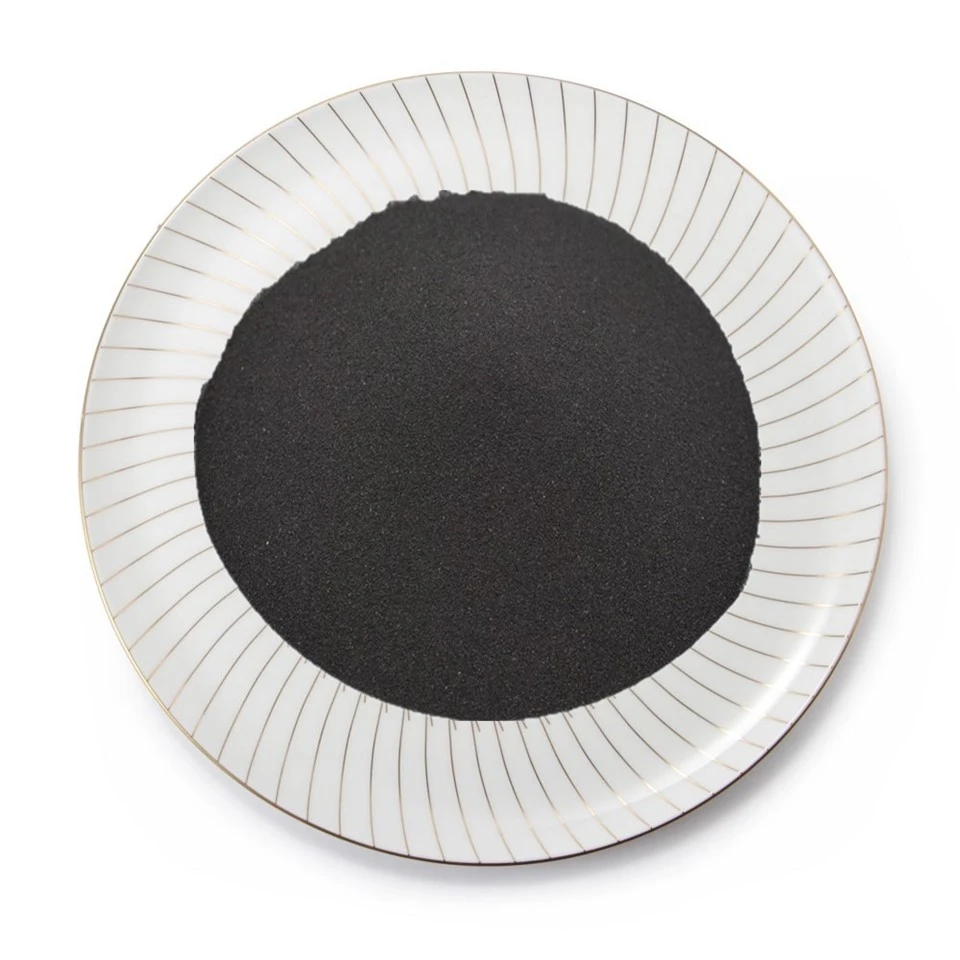

If you're interested in high - quality tantalum for jet engine applications, you can check out our Tantalum Powder, which can be used in the production of these advanced alloys.
Electrical Components and Circuits
In modern aircraft, electronics play a crucial role in everything from navigation systems to communication devices. Tantalum is widely used in the manufacturing of electrical components due to its excellent electrical conductivity and capacitance properties.
Tantalum capacitors are a prime example. These capacitors are known for their high capacitance per unit volume, which is essential in aerospace electronics where space is at a premium. They also have low equivalent series resistance (ESR), which means they can handle high - frequency signals more efficiently. This is particularly important in avionics systems, where accurate and fast signal processing is required for functions like radar detection and communication.
Moreover, tantalum's stability over a wide range of temperatures and its resistance to shock and vibration make it a reliable choice for aerospace electrical components. Whether it's in the cockpit electronics or the on - board computers, tantalum capacitors ensure that the electrical systems operate smoothly even under the most challenging flight conditions.
For those in need of tantalum for electrical component manufacturing, our Tantalum Machining Parts can be customized to meet your specific requirements.
Structural Applications
Tantalum's high strength - to - weight ratio makes it an attractive option for certain structural applications in the aerospace industry. Although it's not as widely used as some other metals like aluminum or titanium for large - scale structural components, it has its place in specialized areas.
In some cases, tantalum can be used in the construction of small, high - stress parts. For example, in the landing gear mechanisms, where components need to withstand significant forces during takeoff and landing. Tantalum's ability to maintain its mechanical properties under stress can contribute to the reliability and safety of these critical parts.
Also, in the construction of aerospace vehicles designed for extreme environments, such as those used in space exploration, tantalum can be incorporated into the structure to provide additional protection against radiation and micrometeoroid impacts. Its resistance to corrosion and its ability to absorb neutrons make it a valuable material in these scenarios.
If you're considering using tantalum for structural applications, our Tantalum Tube can be a great option, as it can be used in various structural configurations.
Heat Shielding
Spacecraft and re - entry vehicles face extreme heat when re - entering the Earth's atmosphere. The friction between the vehicle and the atmosphere generates temperatures that can reach several thousand degrees Celsius. Tantalum's high melting point and excellent heat - dissipation properties make it a candidate for heat - shielding applications.
Tantalum can be used as a coating or as part of a composite material in heat shields. By absorbing and dissipating the heat, it protects the underlying structure of the spacecraft from being damaged. This is crucial for ensuring the safety of the crew and the integrity of the on - board equipment during re - entry.
Joining and Welding in Aerospace Manufacturing
In the manufacturing process of aerospace components, joining different parts together is a critical step. Tantalum has good weldability, which allows it to be effectively joined with other metals and materials. This is important for creating complex structures and assemblies.
When welding tantalum, its unique properties ensure that the joints are strong and reliable. For example, in the construction of fuel tanks or pressure vessels, proper welding is essential to prevent leaks and ensure the structural integrity of the component. Tantalum's resistance to corrosion also means that the welded joints will not degrade over time, even when exposed to harsh aerospace environments.
The Future of Tantalum in Aerospace
As the aerospace industry continues to evolve, the demand for advanced materials like tantalum is only going to increase. With the development of more advanced aircraft and space exploration technologies, the need for materials that can withstand even more extreme conditions will grow.
Research is ongoing to develop new tantalum - based alloys with even better properties, such as higher strength, improved heat resistance, and enhanced electrical conductivity. These new alloys could open up even more applications in areas like hypersonic flight and deep - space exploration.
If you're involved in the aerospace industry and are looking for a reliable tantalum supplier, I encourage you to reach out to discuss your specific needs. Whether you're working on a small - scale research project or a large - scale aerospace manufacturing operation, we can provide you with high - quality tantalum products and solutions. Contact us to start a procurement discussion and see how our tantalum can take your aerospace projects to the next level.
References
- ASM Handbook Committee, ASM Handbook, Volume 2: Properties and Selection: Nonferrous Alloys and Special - Purpose Materials, ASM International, 2001.
- Boeing Company, "Materials and Processes for Aerospace Applications", Technical Report, 2018.
- NASA, "Advanced Materials for Spacecraft Design", Research Publication, 2020.