

Hafnium, a lustrous, silvery-gray transition metal, has emerged as a critical element in various high - tech industries, with its nuclear applications being particularly significant. As a reliable hafnium supplier, I am excited to delve into the diverse nuclear - related uses of this remarkable metal.
1. Nuclear Reactors: Control Rods
One of the most well - known nuclear applications of hafnium is in the production of control rods for nuclear reactors. Control rods play a crucial role in regulating the nuclear fission process within a reactor. They are designed to absorb neutrons, thereby controlling the rate of the chain reaction.
Hafnium has an extremely high neutron absorption cross - section. This means that it can effectively capture neutrons, preventing them from causing further fission reactions. In comparison to other materials used for control rods, such as boron and cadmium, hafnium offers several advantages. For instance, hafnium has good mechanical properties and high corrosion resistance. These characteristics allow it to maintain its structural integrity under the harsh conditions inside a nuclear reactor, including high temperatures, high radiation levels, and exposure to corrosive coolant fluids.
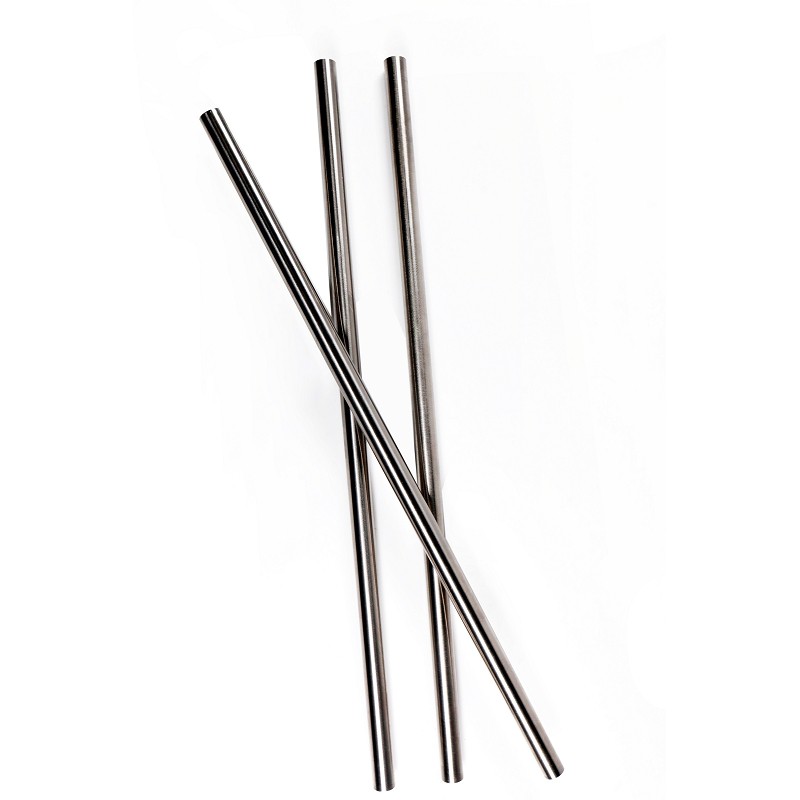
When a nuclear reactor needs to be shut down or the power output adjusted, the control rods are inserted deeper into the reactor core. The hafnium in these rods absorbs neutrons, reducing the number of neutrons available to sustain the fission chain reaction. Conversely, when the reactor needs to increase power, the control rods are partially withdrawn, allowing more neutrons to cause fission. Our company offers Hafnium Bar and Wire that are precisely engineered for use in control rod manufacturing. These products are made to meet the strict quality and safety standards required in the nuclear industry.
2. Radiation Shielding
In addition to its use in control rods, hafnium is also utilized in radiation shielding applications. Nuclear facilities, such as power plants, research reactors, and nuclear waste storage sites, generate significant amounts of radiation. Protecting workers, the public, and the environment from this radiation is of utmost importance.
Hafnium's high atomic number and density make it an effective material for shielding against various types of radiation, including gamma rays and neutrons. When radiation interacts with hafnium, the atoms in the material can absorb or scatter the radiation particles, reducing their intensity. This property makes hafnium an ideal choice for constructing shielding barriers around nuclear reactors, storage containers for radioactive materials, and even in some cases, protective clothing for nuclear workers.
We supply Hafnium Sheet that can be used to fabricate radiation shielding structures. These sheets are available in different thicknesses and sizes to meet the specific requirements of different applications. The high - quality hafnium sheets we offer ensure reliable and long - lasting radiation protection.
3. Nuclear Fuel Cycle
Hafnium also has a role to play in the nuclear fuel cycle. In the process of nuclear fuel production, hafnium can be used as an additive or a component in certain fuel materials. Although uranium is the primary fuel in most nuclear reactors, hafnium can be incorporated to modify the properties of the fuel.
For example, adding hafnium to nuclear fuel can improve its thermal conductivity. Better thermal conductivity allows for more efficient heat transfer from the fuel to the coolant, which in turn enhances the overall performance and safety of the reactor. Hafnium can also help to improve the mechanical stability of the fuel, preventing issues such as fuel swelling and cracking under high - temperature and high - radiation conditions.
Our Hafnium Powder is suitable for use in nuclear fuel production processes. The fine - grained powder can be easily incorporated into fuel matrices, ensuring uniform distribution of hafnium throughout the fuel material.
4. Neutron Detectors
Neutron detectors are essential for monitoring the neutron flux in nuclear reactors and other nuclear facilities. They provide crucial information about the reactor's operating conditions, safety status, and the effectiveness of the control systems.
Hafnium can be used in the construction of neutron detectors. When neutrons interact with hafnium, they can cause certain nuclear reactions that produce detectable signals, such as gamma rays or charged particles. By measuring these signals, the number and energy of the neutrons can be determined.
The unique nuclear properties of hafnium make it a valuable material for neutron detector applications. Our high - purity hafnium products can be used to manufacture sensitive and reliable neutron detectors, ensuring accurate monitoring of nuclear facilities.
5. Research and Development
In the field of nuclear research and development, hafnium is often used in experimental setups. Scientists use hafnium to study various nuclear phenomena, such as neutron capture reactions, nuclear fission processes, and the behavior of materials under high - radiation environments.
By conducting experiments with hafnium, researchers can gain a better understanding of the fundamental principles of nuclear physics and develop new technologies for nuclear energy production, waste management, and radiation protection. Our company is committed to supporting the nuclear research community by providing high - quality hafnium materials for their experiments.
Quality Assurance and Safety
As a hafnium supplier, we understand the critical nature of nuclear applications. That's why we have implemented a rigorous quality assurance program. All our hafnium products, whether it's Hafnium Sheet, Hafnium Bar and Wire, or Hafnium Powder, are tested to ensure they meet the highest standards of purity, composition, and performance.
We also adhere to strict safety protocols in the production, handling, and transportation of hafnium. Our facilities are equipped with state - of - the - art safety systems to prevent any potential hazards associated with hafnium, especially in the context of nuclear applications.
Conclusion
Hafnium's nuclear applications are diverse and essential for the safe and efficient operation of nuclear facilities. From control rods in reactors to radiation shielding and research, this remarkable metal plays a vital role in the nuclear industry. As a leading hafnium supplier, we are dedicated to providing high - quality hafnium products that meet the specific needs of our customers in the nuclear sector.
If you are involved in the nuclear industry and are looking for reliable hafnium materials, we invite you to contact us for a detailed discussion. We are ready to assist you in finding the right hafnium products for your nuclear applications and look forward to establishing a long - term partnership with you.
References
- "Nuclear Engineering Handbook" by Arthur B. McDonald.
- "Introduction to Nuclear Physics and Chemistry" by R. E. Lapp and H. L. Andrews.
- Various technical reports from international nuclear research institutions.