

Hey there! I'm working as a supplier of Tantalum Tube, and I've seen firsthand how crucial it is to store these tubes properly. Tantalum is a super valuable metal, known for its high corrosion resistance, excellent thermal conductivity, and great ductility. That's why it's used in all sorts of industries, from electronics to chemical processing. But if you don't store your tantalum tubes right, you could end up with some serious problems. So, in this blog, I'm gonna share some tips on how to store tantalum tubes properly.
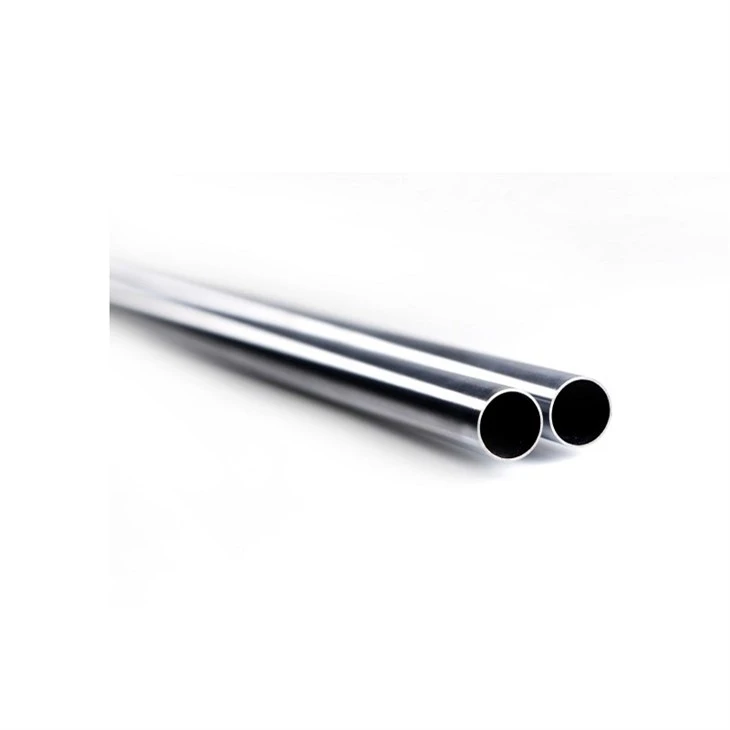

Understanding Tantalum Tubes
Before we dive into the storage tips, let's quickly go over what makes tantalum tubes so special. Tantalum is a rare, hard, blue-gray metal that's highly resistant to corrosion. This makes it perfect for applications where it'll be exposed to harsh chemicals or high temperatures. Tantalum tubes are used in a wide range of industries, including electronics, aerospace, and chemical processing. They're often used in heat exchangers, condensers, and other equipment that needs to withstand extreme conditions.
If you're interested in other tantalum products, check out our Tantalum Sheet and Tantalum Machining Parts.
Ideal Storage Conditions
Temperature and Humidity
The first thing you need to consider when storing tantalum tubes is the temperature and humidity of the storage area. Tantalum is a stable metal, but extreme temperatures and high humidity can cause problems. Ideally, you should store your tantalum tubes in a cool, dry place with a temperature between 10°C and 30°C (50°F and 86°F) and a relative humidity below 60%. This will help prevent corrosion and other damage.
If you're storing the tubes in a warehouse or storage facility, make sure it has proper ventilation to keep the air circulating. This will help prevent the buildup of moisture and reduce the risk of corrosion.
Protection from Physical Damage
Tantalum tubes are relatively strong, but they can still be damaged if they're not stored properly. To prevent physical damage, you should store the tubes in a rack or on a pallet that's designed to hold them securely. Make sure the rack or pallet is stable and won't tip over.
You should also avoid stacking the tubes too high, as this can cause them to bend or break. If you need to stack the tubes, make sure there's enough space between each layer to prevent them from rubbing against each other.
Protection from Chemicals
Tantalum is highly resistant to corrosion, but it can still be damaged by certain chemicals. To protect your tantalum tubes from chemical damage, you should store them away from any chemicals that could react with them. This includes acids, alkalis, and other corrosive substances.
If you need to store the tubes in an area where there are chemicals, make sure they're properly sealed and protected. You can use a protective coating or a plastic bag to keep the tubes from coming into contact with the chemicals.
Cleaning and Maintenance
Regular Inspection
It's important to inspect your tantalum tubes regularly to make sure they're in good condition. Look for any signs of corrosion, damage, or other problems. If you notice any issues, you should take action immediately to prevent them from getting worse.
You should also check the storage area regularly to make sure it's clean and dry. If there's any moisture or debris in the area, you should clean it up right away.
Cleaning
If your tantalum tubes get dirty or contaminated, you can clean them using a mild detergent and water. Make sure you rinse the tubes thoroughly to remove any soap residue. You can also use a soft brush or cloth to gently scrub the tubes if necessary.
Avoid using abrasive cleaners or solvents, as these can damage the surface of the tubes. If you're not sure how to clean your tantalum tubes, you can contact us for more information.
Packaging and Labeling
Packaging
When you're storing tantalum tubes, it's important to package them properly to protect them from damage. You can use a plastic bag or a cardboard box to package the tubes. Make sure the packaging is strong enough to hold the tubes securely and prevent them from moving around.
You can also use a protective coating or a cushioning material to protect the tubes from scratches and other damage. This will help keep the tubes in good condition during storage and transportation.
Labeling
It's also important to label your tantalum tubes clearly to make it easy to identify them. You should include the following information on the label:
- The type and size of the tube
- The date of manufacture
- The batch number
- Any special instructions or warnings
This will help you keep track of your inventory and make sure you're using the right tubes for the right applications.
Handling and Transportation
Handling
When you're handling tantalum tubes, it's important to be careful to avoid damaging them. You should use gloves and other protective equipment to prevent scratches and other damage. You should also avoid dropping or hitting the tubes, as this can cause them to bend or break.
If you need to move the tubes, make sure you use a proper lifting device or equipment. This will help prevent the tubes from getting damaged during transportation.
Transportation
When you're transporting tantalum tubes, you should make sure they're properly packaged and secured. You can use a truck, a train, or a plane to transport the tubes, depending on the distance and the quantity.
Make sure the transportation vehicle is clean and dry and that the tubes are protected from any potential damage. You should also make sure the tubes are properly labeled and that the transportation company has all the necessary information.
Conclusion
Storing tantalum tubes properly is essential to ensure their quality and performance. By following the tips in this blog, you can help prevent corrosion, damage, and other problems. Remember to store the tubes in a cool, dry place, protect them from physical and chemical damage, and inspect them regularly.
If you have any questions or need more information about storing tantalum tubes, please don't hesitate to contact us. We're here to help you make the most of your tantalum products. And if you're interested in purchasing tantalum tubes or other tantalum products, check out our Tantalum Tube page. We offer high-quality tantalum products at competitive prices, and we're always happy to discuss your specific needs and requirements.
References
- "Tantalum: Properties, Applications, and Production." USGS Mineral Commodity Summaries, 2023.
- "Corrosion Resistance of Tantalum in Chemical Environments." Journal of Materials Science, Vol. 45, No. 12, 2010.