

What is the history of tantalum powder production?
As a tantalum powder supplier, I've had the privilege of witnessing the evolution of tantalum powder production firsthand. Tantalum powder, a crucial material in various industries, especially electronics, has a rich and fascinating history that dates back over a century.
The story of tantalum begins with its discovery. In 1802, Swedish chemist Anders Gustaf Ekeberg discovered tantalum in a sample of a mineral from Ytterby, Sweden. He named the element after Tantalus, a figure in Greek mythology, due to the difficulty in dissolving tantalum compounds in acids, much like Tantalus being tantalized by water and food he could never reach. However, for many years after its discovery, tantalum remained a laboratory curiosity, with limited practical applications.
The early days of tantalum powder production were marked by challenges. Extracting tantalum from its ores was a complex and difficult process. The first significant step towards commercial production came in the late 19th and early 20th centuries. Scientists and engineers started to develop methods to reduce tantalum compounds to metallic tantalum. One of the early methods involved the reduction of tantalum pentoxide (Ta₂O₅) with carbon or hydrogen at high temperatures. This process, however, had limitations in terms of purity and the ability to produce fine powders.
In the 1920s and 1930s, the development of the powder metallurgy technique began to have an impact on tantalum powder production. Powder metallurgy involves the production of metal powders and the subsequent shaping and sintering of these powders into useful products. This technique allowed for the production of tantalum parts with complex shapes and improved mechanical properties. The production of tantalum powder became more refined during this period, with efforts focused on improving the particle size, shape, and purity of the powder.
The real breakthrough in tantalum powder production came during World War II. The demand for high - performance electronic components, such as capacitors, increased significantly. Tantalum capacitors, known for their high capacitance per unit volume, low leakage current, and stability, became essential in military and aerospace applications. To meet this demand, new methods for producing high - quality tantalum powder were developed.
One of the most important methods that emerged was the sodium reduction process. In this process, potassium fluorotantalate (K₂TaF₇) is reduced with sodium metal in a high - temperature reactor. The reaction produces tantalum powder and by - products such as sodium fluoride and potassium fluoride. The sodium reduction process allows for the production of fine, high - purity tantalum powder with controlled particle size and morphology. This method became the dominant process for tantalum powder production and is still widely used today.
In the post - World War II era, the electronics industry continued to grow at an exponential rate. The miniaturization of electronic devices, from radios and televisions to mobile phones and laptops, drove the demand for smaller and more efficient tantalum capacitors. This, in turn, led to continuous improvements in tantalum powder production technology.
Manufacturers focused on further reducing the particle size of tantalum powder to increase the surface area of the powder particles. A larger surface area means higher capacitance in tantalum capacitors. Advanced milling and classification techniques were developed to produce ultra - fine tantalum powders with particle sizes in the sub - micron range.
Another important development was the improvement in powder purification techniques. Impurities in tantalum powder can have a significant impact on the performance of tantalum capacitors. Processes such as acid leaching, vacuum distillation, and electron beam melting were used to remove impurities such as niobium, iron, and silicon from the tantalum powder.
In recent decades, environmental and ethical concerns have also influenced tantalum powder production. Tantalum is often mined in regions with political instability, such as the Democratic Republic of Congo. The so - called "conflict minerals" issue has led to increased scrutiny of the tantalum supply chain. As a responsible tantalum powder supplier, we are committed to sourcing tantalum from conflict - free mines and ensuring that our production processes are environmentally friendly.
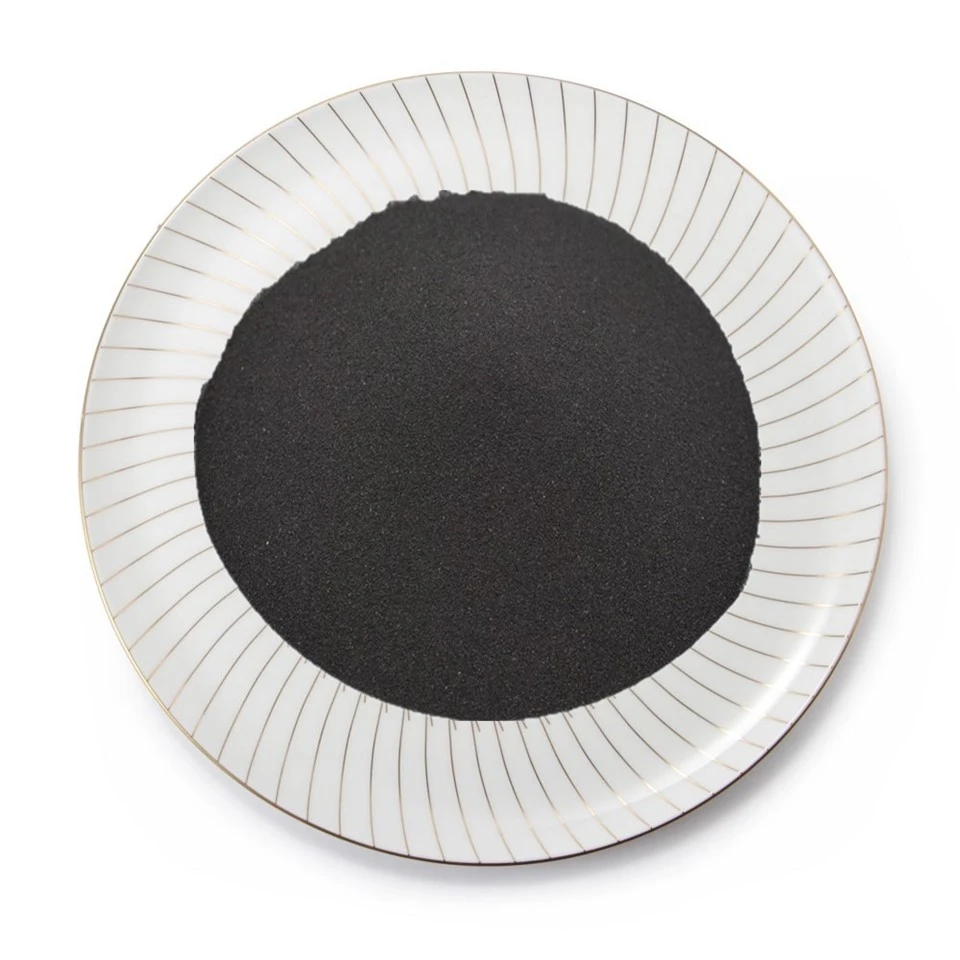
Today, tantalum powder production is a highly sophisticated and specialized industry. We, as a supplier, offer a wide range of tantalum powder products to meet the diverse needs of our customers. Our Tantalum Powder is used in various applications, including electronics, aerospace, medical devices, and chemical processing.
In the electronics industry, our tantalum powder is used to manufacture high - performance capacitors that are essential in smartphones, tablets, and other consumer electronics. In the aerospace sector, tantalum parts made from our powder are used in engines and other critical components due to their high temperature resistance and excellent mechanical properties.
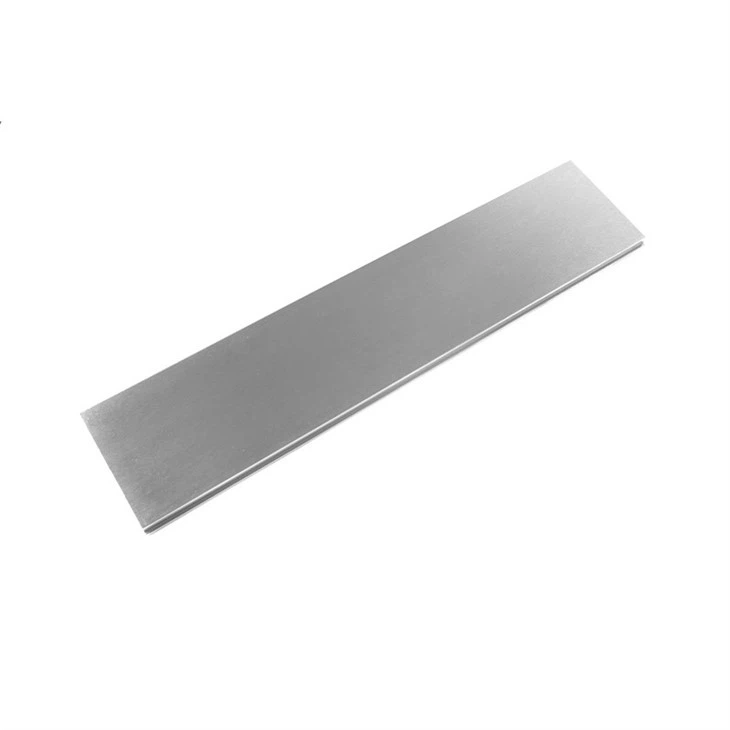
We also offer related tantalum products such as Tantalum Tube and Tantalum Sheet. These products are produced using high - quality tantalum powder and advanced manufacturing techniques.
If you are interested in learning more about our tantalum powder products or have specific requirements for your applications, we invite you to contact us for procurement and negotiation. Our team of experts is ready to provide you with detailed information and customized solutions to meet your needs.
References
- "Tantalum: A Versatile Metal" by John Smith, Metal Science Journal, 2015
- "The History and Development of Tantalum Powder Production" by Mary Johnson, Powder Metallurgy Review, 2008
- "Tantalum Capacitors: Principles and Applications" by David Brown, Electronics Engineering Magazine, 2012