

Hey there! I'm a supplier of Tantalum Ingot, and today I wanna dig into an interesting question: Can a tantalum ingot be used in 3D printing? Let's break it down step by step.
What's Tantalum Ingot Anyway?
First things first, let's get to know tantalum ingot. Tantalum is a super - cool metal. It's got a high melting point, it's corrosion - resistant, and it's dense. A tantalum ingot is basically a big block of tantalum that's been smelted and shaped. You can check out more about it Tantalum Ingot.
Tantalum has a bunch of industrial uses. It's used in electronics, like in capacitors for your smartphones and laptops. It's also used in the aerospace industry because of its high - temperature resistance. And in the medical field, tantalum is biocompatible, so it can be used in things like bone implants.
How Does 3D Printing Work?
Before we figure out if a tantalum ingot can be used in 3D printing, let's quickly go over how 3D printing works. There are a few different types of 3D printing technologies, but the most common ones are Fused Deposition Modeling (FDM), Stereolithography (SLA), and Powder Bed Fusion (PBF).
FDM works by melting a plastic filament and laying it down layer by layer to create an object. SLA uses a laser to cure a liquid resin, also layer by layer. PBF, on the other hand, involves spreading a thin layer of powder material and then using a laser or an electron beam to selectively melt and fuse the powder together.
Can You Use Tantalum Ingot in 3D Printing?
The short answer is, it's not that straightforward. Most 3D printing processes, especially those that use powder bed fusion, require the material to be in a powder form. A tantalum ingot is a solid block, so you can't just throw it into a 3D printer and expect it to work.
However, there's a workaround. You can convert the tantalum ingot into powder. This process involves things like crushing, grinding, and atomization. Atomization is a common method where the molten tantalum is forced through a small nozzle and then broken up into tiny droplets that solidify into powder.
Once you've got the tantalum powder, you can use it in powder bed fusion 3D printing. But there are still some challenges. Tantalum has a really high melting point (around 3017°C or 5463°F). This means you need a powerful energy source, like an electron beam, to melt the powder during the 3D printing process.
Advantages of Using Tantalum in 3D Printing
If you can overcome the challenges and use tantalum in 3D printing, there are some great advantages.
Complex Geometries: 3D printing allows you to create parts with really complex geometries that would be difficult or impossible to make with traditional manufacturing methods. This is super useful in industries like aerospace and medical. For example, you could create custom - shaped bone implants that fit perfectly into a patient's body.
Material Efficiency: With 3D printing, you only use the amount of material you need. This is much more efficient than traditional machining, where you often have to cut away a lot of extra material. Since tantalum is an expensive metal, this can save a lot of money.

Strength and Durability: Tantalum is a strong and durable metal. Parts made from tantalum through 3D printing would have excellent mechanical properties, making them suitable for high - stress applications.
Challenges and Limitations
As I mentioned earlier, there are some challenges.
Cost: Converting the ingot into powder and setting up a 3D printing system that can handle tantalum is expensive. The equipment needed for atomization and the high - energy 3D printers are not cheap.
Safety: Tantalum powder is flammable and can be a safety hazard. Special handling and storage procedures are required to prevent fires and explosions.
Quality Control: Ensuring the quality of the 3D - printed tantalum parts is crucial. There can be issues like porosity and cracks in the printed parts, which can affect their performance.
Other Tantalum Products for Different Needs
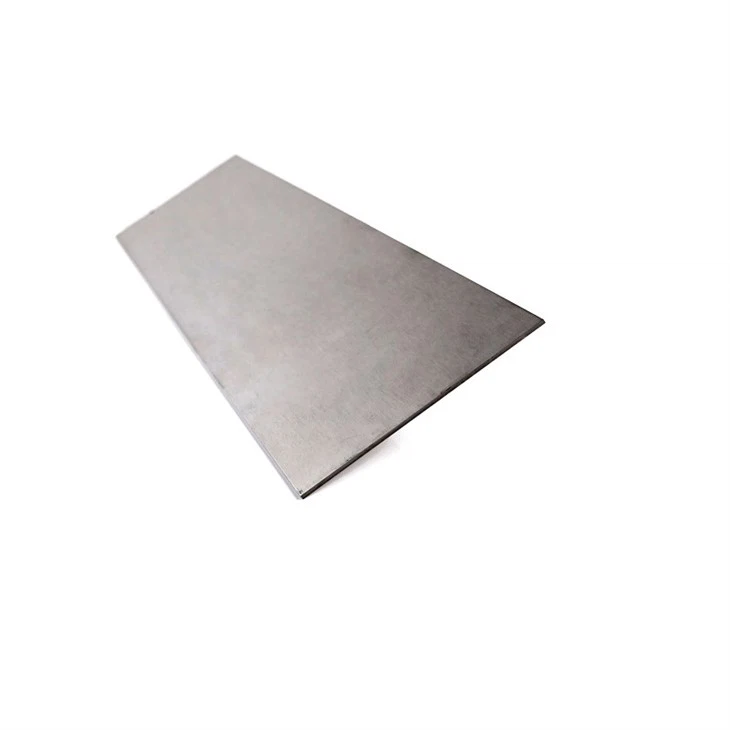
Apart from tantalum ingot and its potential use in 3D printing, we also offer other tantalum products. You can check out Tantalum Sheet and Tantalum Bar and Wire. These products have their own unique applications. Tantalum sheets can be used in chemical processing equipment because of their corrosion resistance. Tantalum bars and wires are used in electrical applications.
Wrapping It Up and Reaching Out
So, can a tantalum ingot be used in 3D printing? Yes, but it's not easy. There are challenges to overcome, but the potential benefits are pretty amazing.
If you're interested in tantalum products, whether it's for 3D printing or other applications, I'd love to talk to you. Whether you're in the aerospace, medical, or electronics industry, we can work together to find the right tantalum solution for your needs. Just reach out and let's start a conversation about how we can make your projects a success.
References
- "Additive Manufacturing Technologies: 3D Printing, Rapid Prototyping, and Direct Digital Manufacturing" by Ian Gibson, David W. Rosen, and Brent Stucker.
- "Tantalum: Properties, Processing, and Applications" by various authors in the Journal of Metals.