

Tantalum, a rare and highly corrosion-resistant metal, has found a wide range of applications in various industries, including food processing. As a reliable tantalum supplier, I am excited to delve into the diverse uses of tantalum in food processing equipment. This blog post will explore the unique properties of tantalum that make it suitable for food processing, its specific applications, and the benefits it offers to the industry.
Properties of Tantalum that Make it Ideal for Food Processing
Tantalum possesses several key properties that make it an excellent choice for food processing equipment. Firstly, it has exceptional corrosion resistance. In food processing environments, equipment is often exposed to acidic, alkaline, and salty substances. Tantalum forms a stable oxide layer on its surface, which protects it from corrosion even in harsh chemical conditions. This ensures that the equipment made from tantalum maintains its integrity over time and does not contaminate the food products.
Secondly, tantalum has high thermal conductivity. This property allows for efficient heat transfer during food processing operations such as cooking, pasteurization, and sterilization. Equipment made from tantalum can quickly and evenly distribute heat, leading to better quality food products and improved processing efficiency.
In addition, tantalum is biocompatible. It is non - toxic and does not react with food components, which is crucial for ensuring the safety of food products. When in contact with food, tantalum does not leach any harmful substances, making it a reliable material for food contact applications.
Applications of Tantalum in Food Processing Equipment
Heat Exchangers
Heat exchangers are essential components in food processing plants. They are used to transfer heat between two fluids, typically a hot fluid and a cold fluid. Tantalum heat exchangers are highly valued in the food industry due to their excellent corrosion resistance and thermal conductivity.
In processes such as milk pasteurization, where the milk needs to be heated to a specific temperature and then rapidly cooled, tantalum heat exchangers can effectively perform this task. The corrosion resistance of tantalum ensures that the heat exchanger can withstand the acidic nature of milk and other dairy products without deteriorating. Moreover, its high thermal conductivity allows for efficient heat transfer, reducing the processing time and energy consumption.
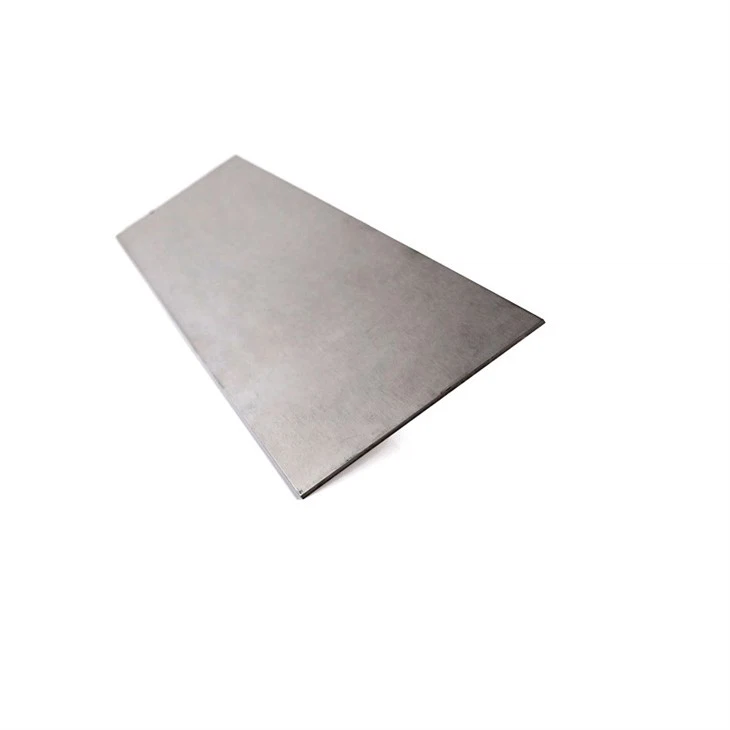
We offer Tantalum Sheet which can be fabricated into heat exchanger plates. These sheets are of high quality and can be customized to meet the specific requirements of different food processing plants.
Reaction Vessels
Reaction vessels are used for various chemical reactions in food processing, such as fermentation, hydrolysis, and acid - base reactions. Tantalum reaction vessels are preferred in many cases because of their ability to resist corrosion from a wide range of chemicals used in these reactions.
For example, in the production of fruit juices, the addition of acids or enzymes may be required to enhance the flavor and nutritional value. Tantalum reaction vessels can safely contain these acidic or enzymatic solutions without being corroded. This not only ensures the purity of the final product but also extends the service life of the equipment.

Our Tantalum Ingot can be used as the raw material for manufacturing reaction vessels. We can provide high - purity tantalum ingots, which can be further processed into vessels of different shapes and sizes.
Piping Systems
Piping systems are used to transport various food products and processing fluids within a food processing plant. Tantalum pipes are an excellent choice for these systems because of their corrosion resistance and smooth interior surface.
The smooth surface of tantalum pipes reduces the risk of food residue buildup, which can lead to the growth of bacteria and other microorganisms. This is particularly important in the food industry, where hygiene is of utmost importance. Additionally, the corrosion resistance of tantalum ensures that the pipes can withstand the corrosive nature of different food products and cleaning agents.
We supply Tantalum Bar and Wire that can be used to fabricate piping systems. Our tantalum bars and wires are made with high precision and can be easily processed into pipes of different diameters and lengths.
Mixing and Blending Equipment
Mixing and blending are common operations in food processing, used to combine different ingredients and achieve a homogeneous product. Tantalum components in mixing and blending equipment, such as agitators and blades, offer several advantages.
The corrosion resistance of tantalum ensures that these components can withstand the abrasive and corrosive nature of food ingredients. For example, in the production of chocolate, the mixing equipment is exposed to cocoa mass, sugar, and other ingredients. Tantalum agitators can operate without being corroded, ensuring the quality and consistency of the chocolate product.
Benefits of Using Tantalum in Food Processing Equipment
- Enhanced Product Quality: Since tantalum is non - reactive with food components and does not leach harmful substances, it helps maintain the purity and safety of food products. This leads to higher - quality food that meets strict industry standards.
- Long - Term Cost Savings: Although the initial cost of tantalum equipment may be higher than that of some other materials, its long service life and low maintenance requirements result in significant cost savings over time. The corrosion resistance of tantalum means that the equipment does not need to be replaced frequently, reducing the overall cost of ownership.
- Improved Hygiene: The smooth surface and non - porous nature of tantalum make it easy to clean and sanitize. This helps prevent the growth of bacteria and other contaminants, ensuring a hygienic food processing environment.
- Increased Processing Efficiency: The high thermal conductivity of tantalum allows for faster heat transfer in equipment such as heat exchangers. This reduces processing time and energy consumption, leading to more efficient food processing operations.
Conclusion
Tantalum plays a vital role in the food processing industry, offering a range of applications from heat exchangers to mixing equipment. Its unique properties of corrosion resistance, thermal conductivity, and biocompatibility make it an ideal material for ensuring the safety, quality, and efficiency of food processing operations.
As a tantalum supplier, we are committed to providing high - quality tantalum products, including Tantalum Bar and Wire, Tantalum Ingot, and Tantalum Sheet. If you are in the food processing industry and are looking for reliable tantalum solutions for your equipment, we would be delighted to discuss your requirements and provide you with the best products and services. Feel free to reach out to us for more information and to start a procurement discussion.
References
- "Handbook of Corrosion Data" by Bruce D. Craig.
- "Food Process Engineering and Technology" by Gustavo V. Barbosa - Canovas, Julio M. Aguilera, Marcelo E. Góngora - Nieto, and Jorge Welti - Chanes.